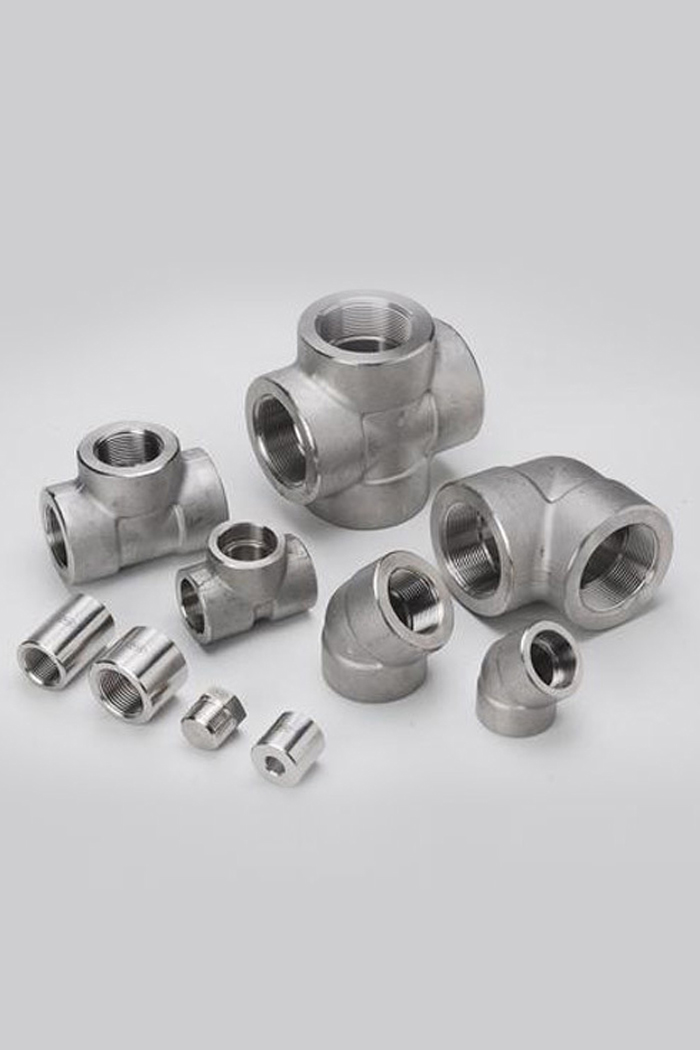
Stainless Steel 316/316L Forged Fittings Manufacturer & Supplier

Midland Alloys Inc. is a trusted manufacturer and supplier of stainless steel 316/316L forged fittings, known for their exceptional resistance to chlorides and corrosive environments. As a reputable SS 316L pipe fitting manufacturer we provide products such as couplings, unions, tees and elbows made of austenitic stainless steels that contain molybdenum. These chloride-resistant stainless fittings are appropriate for use in the food, chemical, and marine industries because they satisfy international standards like ASME B16.11 316L fitting and ASTM A182 316L forged fitting. With a focus on durability and precision, we also serve as a leading 316L forged elbow supplier, delivering high-quality components for demanding industrial applications.
Stainless Steel 316/316L Forged Fittings

316 / 316L Stainless Steel Forged Fittings Overview

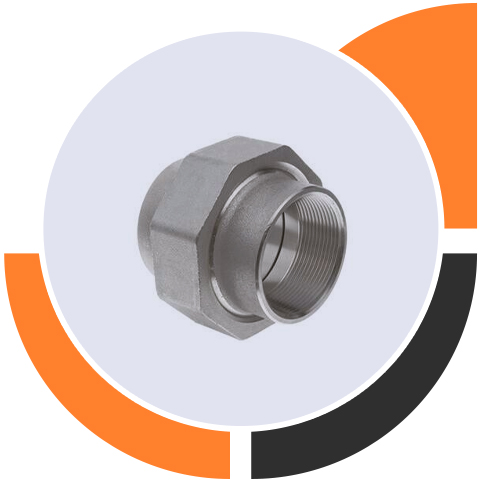
Precision-engineered parts, stainless steel 316/316L forged fittings are frequently utilized in harsh settings like marine and chloride-rich fluid systems. These marine grade stainless fittings are made from molybdenum-enhanced austenitic alloys offering superior corrosion resistance especially in acidic and brine conditions. Because of its lower carbon content, 316L stainless steel pipe fittings are easier to weld and less prone to intergranular corrosion. With a typical ASTM A182 F316L composition of 16–18% chromium, 10–14% nickel, and 2–3% molybdenum, these fittings provide excellent pitting and crevice corrosion resistance. Elbows, ASME B16.11 forged unions, couplings, tees, bushings, plugs and 316L threaded socket weld fittings are examples of common types. Compliant with ASTM A182, ASME B16.11, and ANSI B16.5, they serve as a reliable chloride corrosion resistant fitting option. Sizes range from 1/8″ to 4″, available in class 2000 to 9000. Refer the section below for detailed specifications and pressure ratings.
Stainless Steel 316/316L Forged Fittings Specification

Benefits of 316/316L Stainless Steel Forged Fittings

Forged fittings made of stainless steel 316/316L provide exceptional corrosion resistance in acidic and chloride environments, which makes them perfect for high purity, chemical and marine applications. The addition of molybdenum increases durability against pitting and crevice corrosion.
  • Strong defense against brine environments, acids and chlorides
  • Molybdenum efficiently withstands reducing and oxidizing substances.
  • Better intergranular protection and weldability are provided by 316L grade
  • Works effectively in pharmaceutical, offshore and marine systems.
  • Conforms to ASME B16.11 and ASTM A182 standards.
  • Available in a variety of forms and pressure levels
  • Good weight-to-strength ratio for systems under pressure
  • Low carbon quality ideal for food-grade and hygienic welding

Specification of Stainless Steel 316/316L Forged fitting

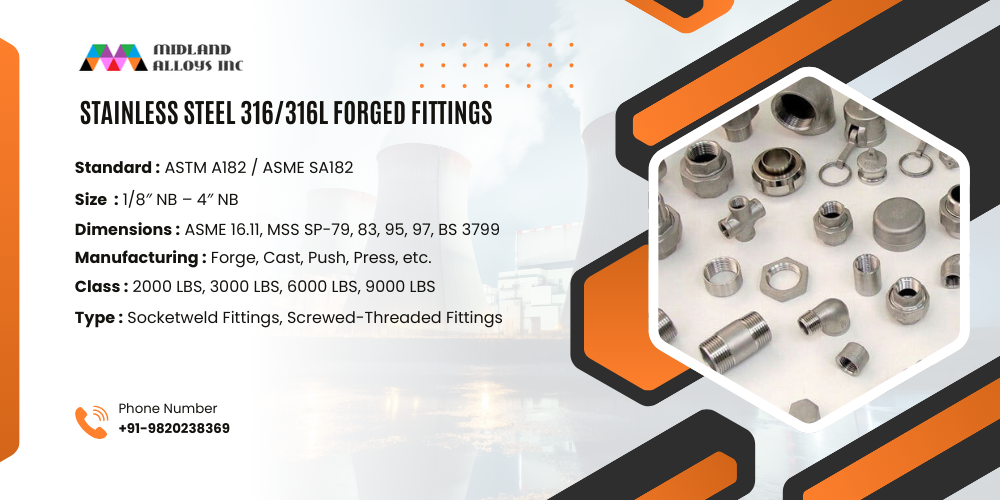
Accurate specifications ensure fittings perform reliably under demanding conditions. ASTM A182 is followed in the manufacturing of SS 316/316L forged fittings, which also meet ASME B16.11 dimensional requirements. They have socket weld and threaded connection and come in Class 2000, 3000, 6000, and 9000.
Forged Elbow
Sizes in Stock

Socketweld : 1/8" to 4" NB​
Screwed-Threaded : 1/8" to 4" NB

ASTM Standard
Standard

ASTM A182/ASME SA182

measurement and dimensions
Dimensions

ASME 16.11, MSS SP-79, 83, 95, 97, BS 3799

Process
Manufacturing Process

Forge, Cast, Push, Press, etc.

Pressure Icon
Class

2000 LBS, 3000 LBS, 6000 LBS, 9000 LBS

Form
Type

Socketweld Fittings, Screwed-Threaded Fittings

Types of Stainless Steel 316/316L Forged Fittings

Strong, corrosion-resistant and leak-proof joints are provided by stainless steel 316/316L forged fittings which come in a variety of types to satisfy different piping needs. Each type serves a unique function in fluid control, direction change, or pipe closure within industrial piping systems.

Manufacturing Types

  • Threaded Forged Fittings
    Threaded Forged Fittings

    Designed with internal or external threads, these fittings allow quick assembly and disassembly without welding.

  • Socket Weld Forged Fittings
    Socket Weld Forged Fittings

    These fittings are joined by inserting the pipe into a recessed area of the fitting and welding around it, ensuring strong, leak-proof joints.

  • Screwed Fittings
    Screwed Fittings

    Similar to threaded types, screwed fittings are connected using screw threads, making installation simple and cost-effective.

  • BSPT
    BSPT

    Bushings help reduce the bore size in a fitting or valve connection by joining pipes of varying diameters.

  • NPT
    NPT

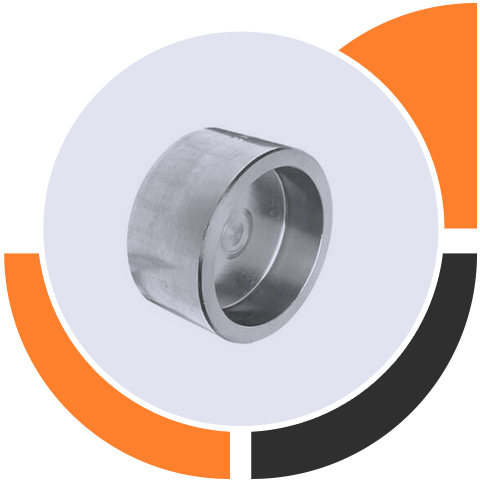
    End caps are used to seal a pipeline's end, shielding it from impurities and guaranteeing closed systems' safety.

Forms

  • Forged Elbow
    Forged Elbow

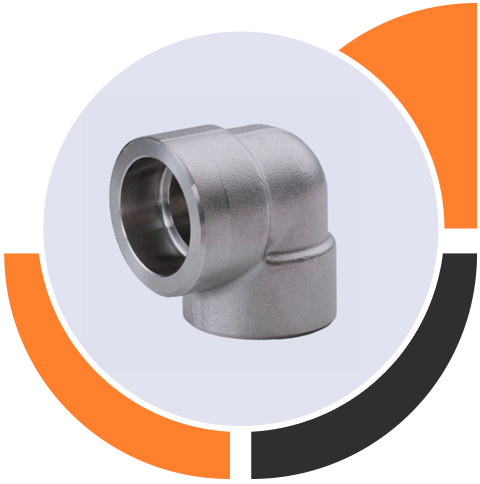
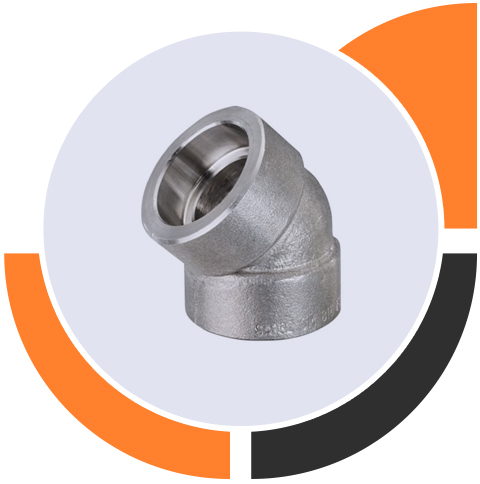
    Elbows, which come in 45° and 90° varieties shift the direction of flow with little pressure loss.

  • Forged Bushing
    Forged Bushing

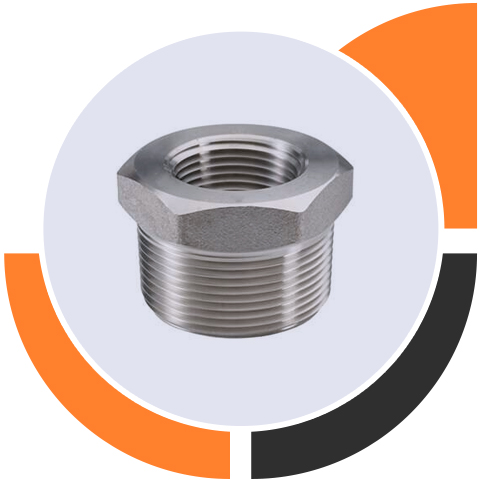
    Bushings help reduce the bore size in a fitting or valve connection by joining pipes of varying diameters.

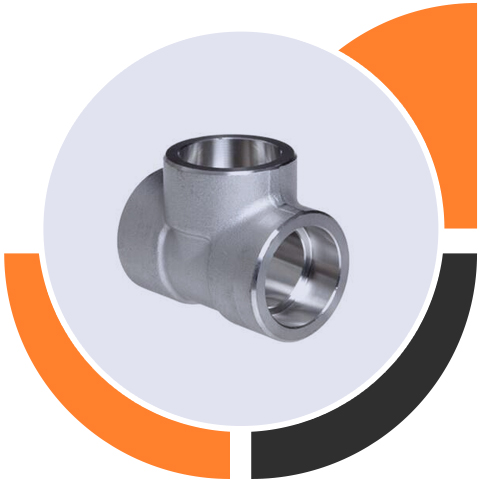
  • Forged Tee
    Forged Tee

    Used to split or combine flow across three directions essential for branching pipeline.

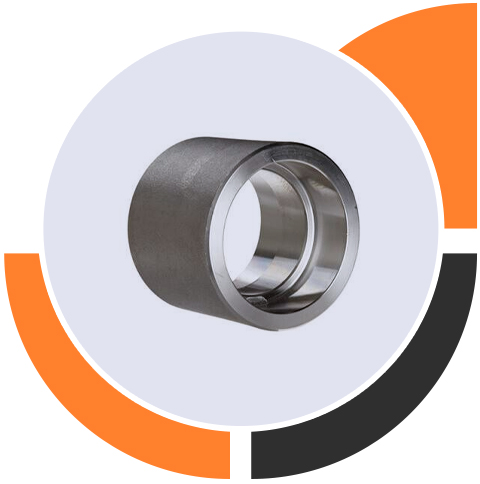
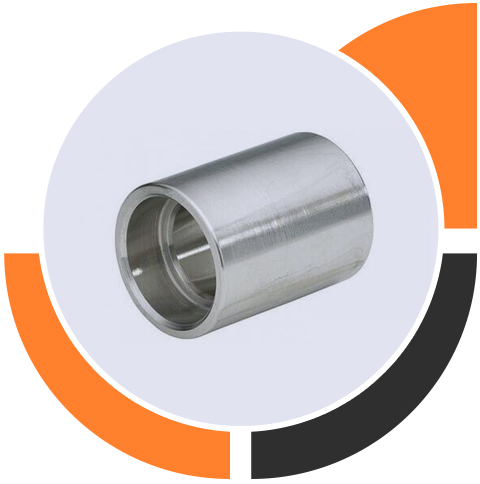
  •  Forged Coupling
    Forged Coupling

    Offer a safe connection between two pipes; threaded and socket-welded options are available.

  • Forged Plug
    Forged Plug

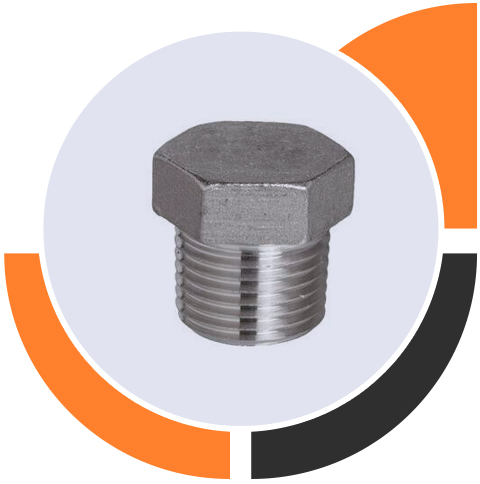
    Close open pipe ends which are frequently used for isolation or testing.

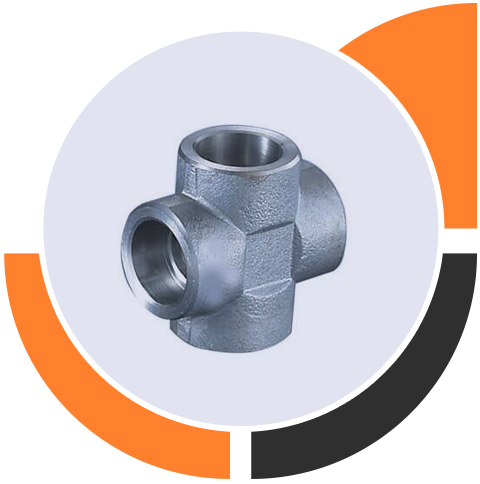
  • Forged Cross
    Forged Cross

    With four openings, cross fittings help connect four pipes used when fluid distribution needs to occur in multiple directions.
Contact Midland Alloys Inc. for Your SS 316/316L Forged Fittings Needs

Contact us today to discuss how Stainless Steel 316/316L Forged Fittings can benefit your application. Whether you need guidance in selecting the right pipes or have specific requirements, our team of experts is here to help you find the optimal solution.

Technical Details & Delivery Condition

Chemical composition is critical for corrosion resistance and durability. Chromium (16–18%), nickel (10–14%) and molybdenum (2–3%) make up SS 316/316L fittings. 316L has less carbon (<0.03%) to increase weldability and sensitization resistance.

Grade C Mn Si P S Cr Mo Ni Fe
SS 316 0.08 max 2.0 max 1.0 max 0.045 max 0.030 max 16.00 – 18.00 2.00 – 3.00 11.00 – 14.00 67.845 min
SS 316L 0.035 max 2.0 max 1.0 max 0.045 max 0.030 max 16.00 – 18.00 2.00 – 3.00 10.00 – 14.00 68.89 min

Performance under pressure is guaranteed by mechanical strength. These fittings provide excellent tensile strength, yield strength and elongation, maintaining integrity in high pressure and thermal environments. 316L has better ductility and weld performance but somewhat less strength.

Density Melting Point Tensile Strength Yield Strength (0.2%Offset) Elongation
8.0 g/cm3 1400 °C (2550 °F) Psi – 75000 , MPa – 515 Psi – 30000 , MPa – 205 35 %

Material compatibility is ensured in part by equivalent grades across international standards. Common equivalents include UNS S31600/S31603, EN 1.4401/1.4404 and JIS SUS 316/316L. These guarantee standardization and support for worldwide applications.

STANDARD UNS JIS WERKSTOFF NR. GOST EN BS AFNOR
SS 316 S31600 SUS 316 1.4401 / 1.4436 X5CrNiMo17-12-2 / X3CrNiMo17-13-3 316S31 / 316S33 Z7CND17‐11‐02
SS 316L S31603 SUS 316L 1.4404 / 1.4435 03Ch17N14M3 / 03Ch17N14M2 X2CrNiMo17-12-2 / X2CrNiMo18-14-3 316S11 / 316S13 Z3CND17‐11‐02 / Z3CND18‐14‐03

Stainless Steel Forged Fittings Grades We Offer

Manufacturing Standards of Stainless Steel 316/316L Forged Fittings

International standards like ASTM A182, ASME B16.11, ANSI B16.5, and MSS-SP-79/95 are followed during manufacturing to guarantee dimensional accuracy, quality, and pressure compatibility.

Raw Material

Raw Material

arrow
Cutting

Cutting

arrow
Sizing

Sizing

arrow
Heat Treatment

Heat Treatment

arrow
Pickling

Pickling

arrow
Beveling

Beveling

arrow
Polishing

Polishing

arrow
Sand Blasting

Sand Blasting

arrow
Pickling / Passivating

Pickling / Passivating

arrow
Inspection

Inspection

arrow
Analytic

Analytic

arrow
Marking

Marking

arrow
Packing & Shipping

Packing & Shipping

Applications of Stainless Steel 316/316L Forged Fittings

Forged stainless steel 316/316L fittings are widely used in industries that demand remarkable strength and resistance to corrosion in challenging environments. These fittings are frequently used in the food processing, pharmaceutical, marine and chemical processing industries. They are perfect for corrosive environments and high-temperature applications like pressure vessels, heat exchangers and pipelines carrying gas and oil. They are also appropriate for clean-in-place systems in dairy and beverage plants due to their hygienic qualities which guarantee long-term performance, durability and safety.

Resistance Capabilities

Stainless Steel 316/316L forged fittings offer enhanced resistance to corrosion particularly in chloride-rich and acidic environments, due to the presence of 2–3% molybdenum. Resistance to aggressive chemical attack, pitting and crevice corrosion is greatly enhanced by this alloying element. 316L is a better choice for high purity applications and thermal cycling environments because of its lower carbon content which lowers the chance of intergranular corrosion during welding. Both grades work well in marine, offshore, and saltwater systems and indicate good oxidation resistance at high temperatures (up to 870°C intermittent / 925°C continuous). They are dependable for demanding chemical and pharmaceutical processing systems because they also provide a moderate level of resistance to acetic, phosphoric and sulfuric acids.

FAQs – SS 316/316L Forged Fittings

316/316L forged fittings are offered in Class 2000, 3000, 6000, and 9000. These classes determine their pressure-handling capabilities and are suitable for medium to high-pressure piping systems.

Each fitting undergoes PMI (Positive Material Identification), ultrasonic testing (UT), hydrostatic pressure testing, and detailed visual inspection to ensure material integrity and quality compliance.

Store fittings in a clean, dry environment away from corrosive agents. Keep them in labelled, sealed packaging or wooden crates to prevent damage, contamination, or mix-ups during handling and transportation.

Quick Quote Request

Our experts will get back within 24 hrs.