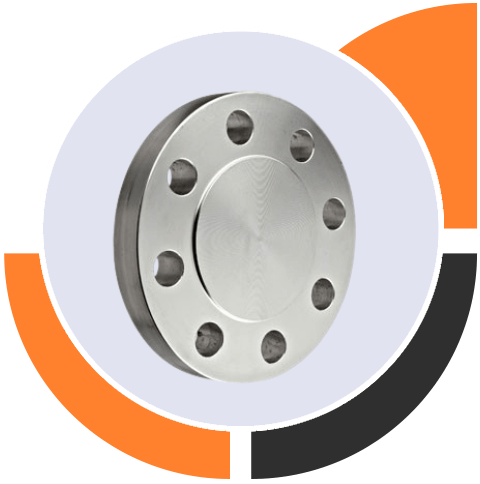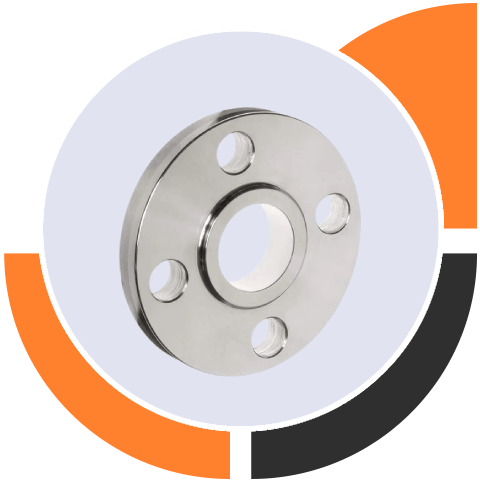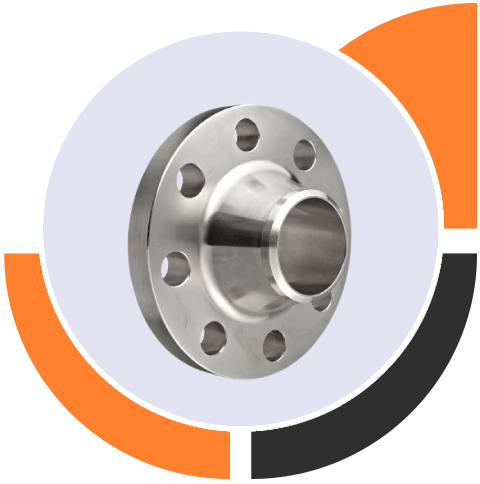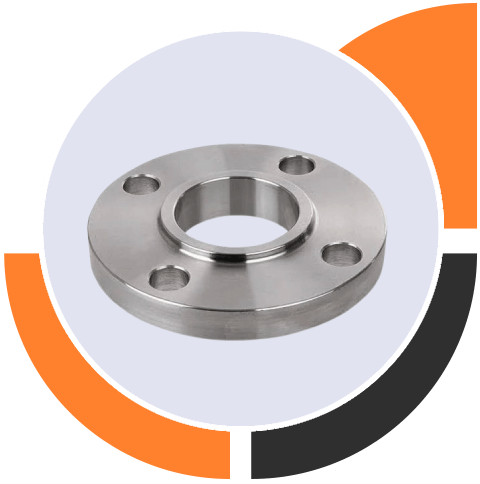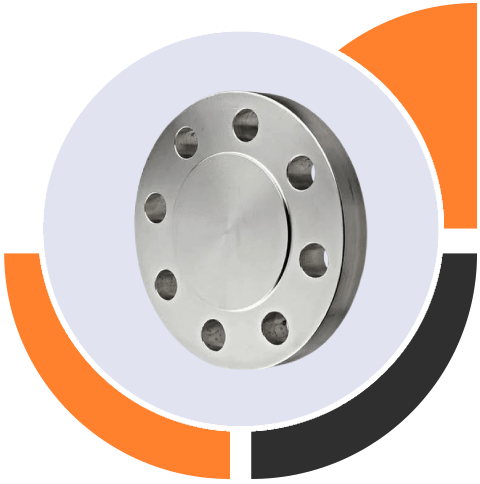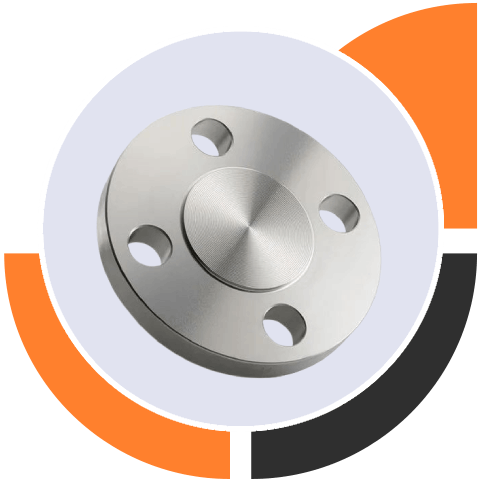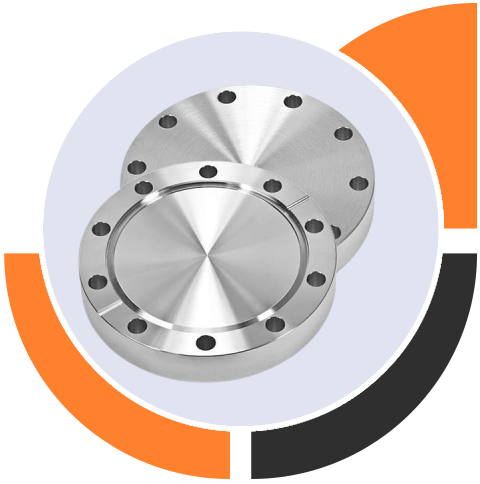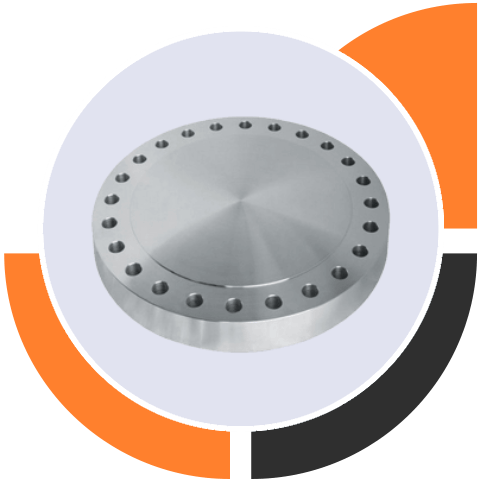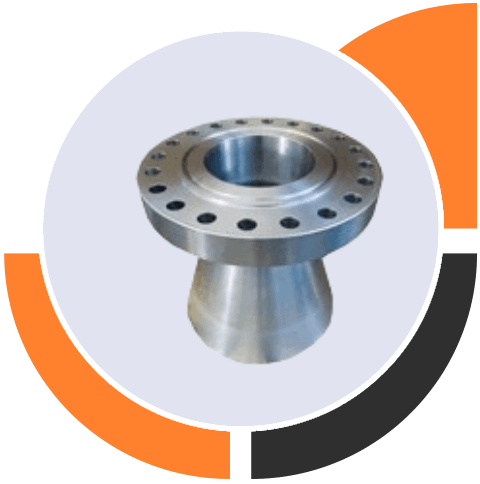
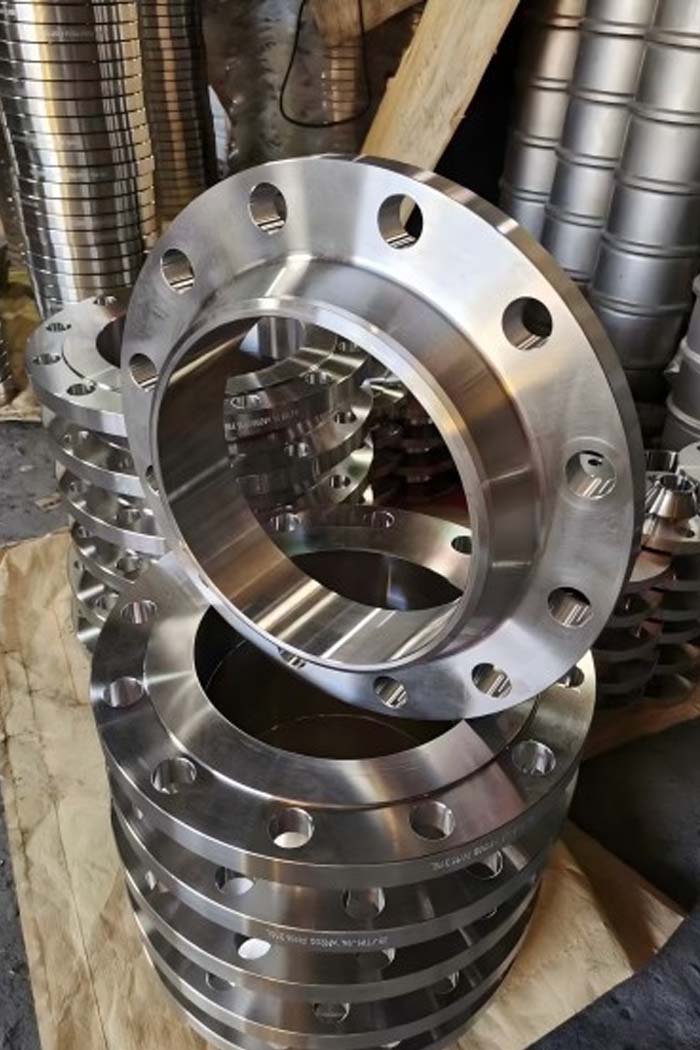
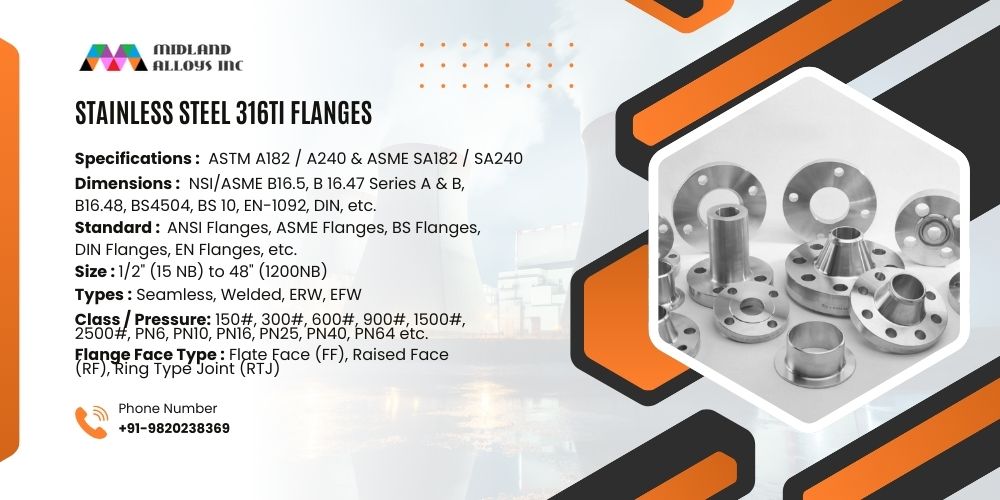
Stainless Steel 316Ti Flanges are titanium stabilized flanges, made from the austenitic stainless steel alloy UNS S31635. Even at high temperatures, these flanges retain their superior mechanical qualities and provide strong resistance against intergranular corrosion. Midland Alloys Inc. is a reputable manufacturer and global supplier of Stainless Steel 316Ti Flanges. We offer a wide range of types, including weld neck, blind, slip-on, and RTJ flanges. Our flanges are manufactured in accordance with ASTM A182 / ASME SA182 standards and meet high-performance pressure and structural integrity criteria. With chemical balance enhanced with titanium, chromium, nickel, and molybdenum, and surface treatments such as rough-turned, machined, or mirror-polished. In corrosive and hot conditions SS 316Ti flanges guarantee durability and strength.

Stainless Steel 316Ti Flanges Manufacturer

Key Benefits of Stainless Steel 316Ti Flanges

stainless-steel-316ti-flanges

SS 316Ti flanges deliver long-term reliability across industries due to their enhanced corrosion resistance, thermal strength, and easy weldability.

  • Corrosion Resistance – Titanium stabilization prevents intergranular corrosion during welding or heat exposure.
  • High Temperature Stability – Performs effectively in temperatures exceeding 500°C without compromising structural integrity.
  •  Weldability: By avoiding carbide precipitation during welding, titanium ensures stronger, cleaner connections.
  • Strength and Durability: These flanges function effectively under load and pressure, because of their strong mechanical construction.
  •  High Strength: Even under the most severe service conditions, it retains its tensile and yield strength.

Stainless Steel 316Ti Flanges Specification

flanges icon
Sizes in Stock

1/2" (15 NB) to 48" (1200NB)

ASTM Standard
Standard

ASTM A182 / A240 & ASME SA182 / SA240

measurement and dimensions
Dimensions

ANSI/ASME B16.5, B 16.47 Series A & B, B16.48, BS4504, BS 10, EN-1092, DIN, etc.

Flange Types
Types of Flanges

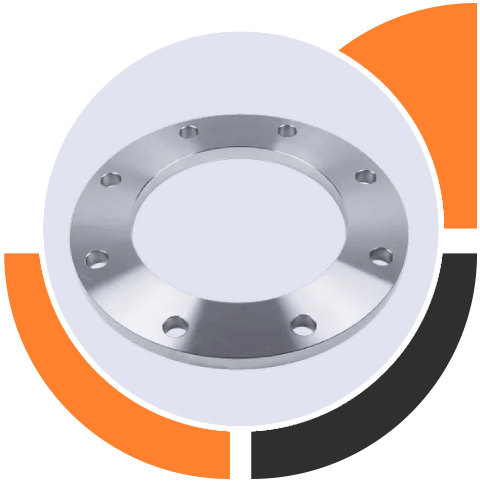
Threaded / Screwed / Forged / Plate

Pressure Icon
Class / Pressure

150#, 300#, 600#, 900#, 1500#, 2500#, PN6, PN10, PN16, PN25, PN40, PN64 etc.

flange face types raised face, flat face, and ring type joint
Flange Face Type

Flate Face (FF), Raised Face (RF), Ring Type Joint (RTJ)

Process
Flanges Process

Forging, Rolling, Casting

flange thread icon
Flange Thread

FNPT, NPT, BSPT, MNPT, BSPP
Contact Midland Alloys Inc. for Your Stainless Steel 316Ti Flanges Needs

Contact us today to discuss how Stainless Steel 316Ti Flanges can benefit your application. Whether you need guidance in selecting the right pipes or have specific requirements, our team of experts is here to help you find the optimal solution.

Technical Details & Delivery Condition

STANDARD WERKSTOFF NR. UNS JIS BS GOST AFNOR EN
SS 316Ti 1.4571 S31635 SUS 316Ti 320S31 08Ch17N13M2T Z6CNDT17‐123 X6CrNiMoTi17-12-2
Grade C Mn Si P S Cr Mo Ni N
SS 316Ti 0.08 max 2.0 max 0.75 max 0.045 max 0.030 max 16.00 – 18.00 2.00 – 3.00 10.00 – 14.00 68.395 min
Density Melting Point Tensile Strength Yield Strength (0.2%Offset) Elongation
8.0 g/cm3 1399 °C (2550 °F) Psi – 75000 , MPa – 515 Psi – 30000 , MPa – 205 35 %

Stainless Steel Flanges Grades We Offer

Stainless Steel 316Ti Flanges vs ASTM A350 LF2 Flanges

 Stainless Steel 316Ti flanges offer superior corrosion and heat resistance due to their titanium content, making them ideal for aggressive chemical and high-temperature environments. In contrast, ASTM A350 LF2 flanges are low-temperature carbon steel flanges with moderate corrosion resistance and are generally preferred for cryogenic applications. While 316Ti provides austenitic properties with enhanced weldability, LF2 is favored in systems requiring toughness at sub-zero temperatures but lacks the chemical resistance of 316Ti. Both meet different industry needs based on environmental demands and application temperature ranges.

Raw Material

Plate

arrow
Cutting

Shear

arrow
Sizing

Press

arrow
Heat Treatment

Inspection

arrow
Pickling

Lathe

arrow
Pickling

Drilling

arrow
Beveling

Cleaning

arrow
Polishing

Flange

arrow
Inspection

Inspection

arrow
Analytic

Analytic

arrow
Marking

Marking

arrow
Packing & Shipping

Packing & Shipping

Applications of Stainless Steel 316Ti Flanges

Steel 316Ti flanges play a key role in high-stress industrial systems. They are utilized in heat exchangers, pipelines and processing columns in the petrochemical and oil and gas industries because of their resilience to corrosive environments and changing pressure. The chemical processing industry relies on them for handling acids, chlorides, and solvents. In power generation, especially in boilers and turbine connections, their high-temperature tolerance ensures safety and performance. Marine engineering uses these flanges for pump systems and underwater pipelines where saltwater corrosion is a challenge.

Why Choose Midland Alloys Inc. for SS 316Ti Flanges

 With extensive experience in supplying high-performance stainless Steel 316Ti Flanges, Midland Alloys Inc. delivers precision-engineered SS 316Ti flanges trusted across global markets. Water treatment plants use it to transport treated and untreated water safely, as they resist corrosion and stop leaks. Our products follow ASTM, ASME, and ISO quality standards without exception. Each flange is backed by full material traceability, third-party inspection coordination, and clear documentation. We provide competitive SS 316Ti Flange price, support custom orders and guarantee timely international delivery.

FAQ

Yes, 316Ti flanges can be welded without post-weld heat treatment, due to titanium stabilisation that prevents carbide precipitation and intergranular corrosion.

316Ti provides superior corrosion resistance in mildly acidic to moderately aggressive environments, including diluted sulfuric and hydrochloric acids.

For SS 316Ti, TIG (GTAW) and MIG (GMAW) welding techniques are often used. The titanium content of the alloy contribute to stability when welding.

No, When annealed, SS 316Ti flanges are typically non-magnetic.  However, slight magnetism may occur after cold working.

Quick Quote Request

Our experts will get back within 24 hrs.