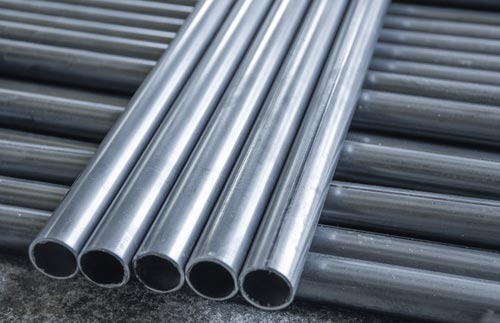
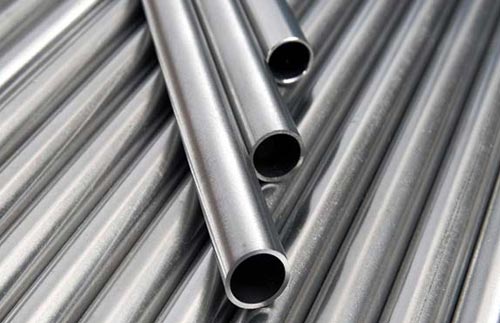
Stainless steel pipes are widely used across various industries due to their strength, corrosion resistance, and durability. However, one of the most common questions buyers face is —
“What is the difference between seamless and welded stainless steel pipes?”
Both types serve different purposes depending on the application, pressure requirements, and budget. Let’s explore how they differ in terms of manufacturing, strength, cost, and usage.
1. Manufacturing Process
Seamless Pipes:
- Manufactured from a solid round billet which is heated and then pierced to form a hollow tube.
- There are no weld joints, making the pipe uniform throughout its length.
- Process involves extrusion or rotary piercing.
Welded Pipes:
- Made by rolling stainless steel plates or strips into cylindrical shapes and then welding the seam longitudinally.
- The weld seam is then heat-treated and sometimes polished for a smooth finish.
Key Difference:
Seamless pipes are formed without any welding seam, while welded pipes are produced by joining metal edges through welding.