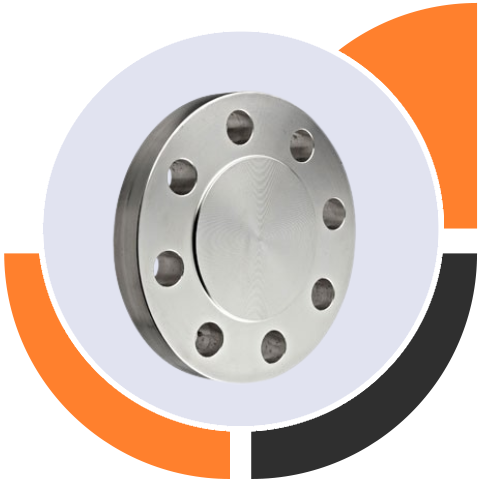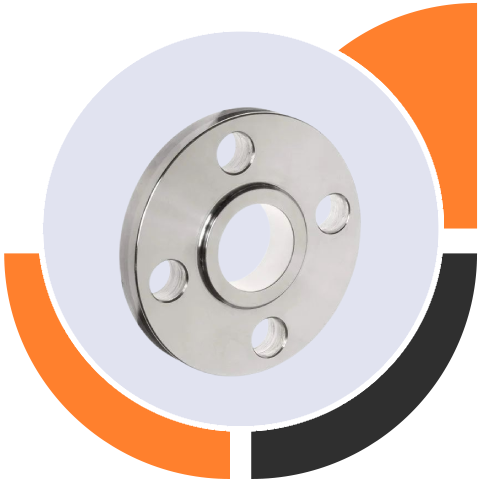
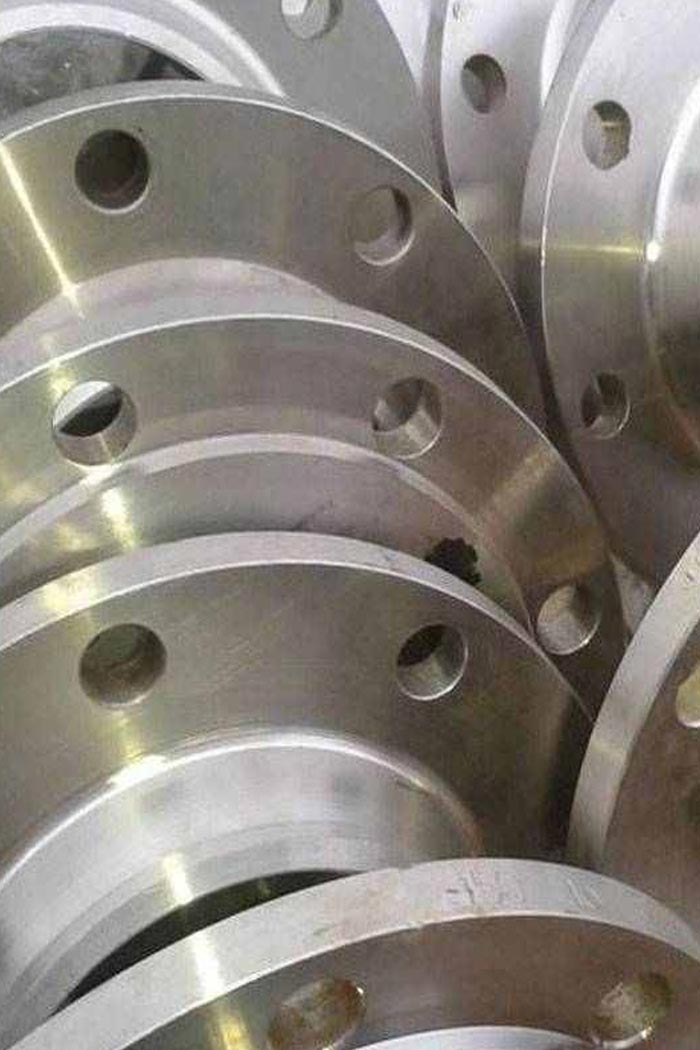
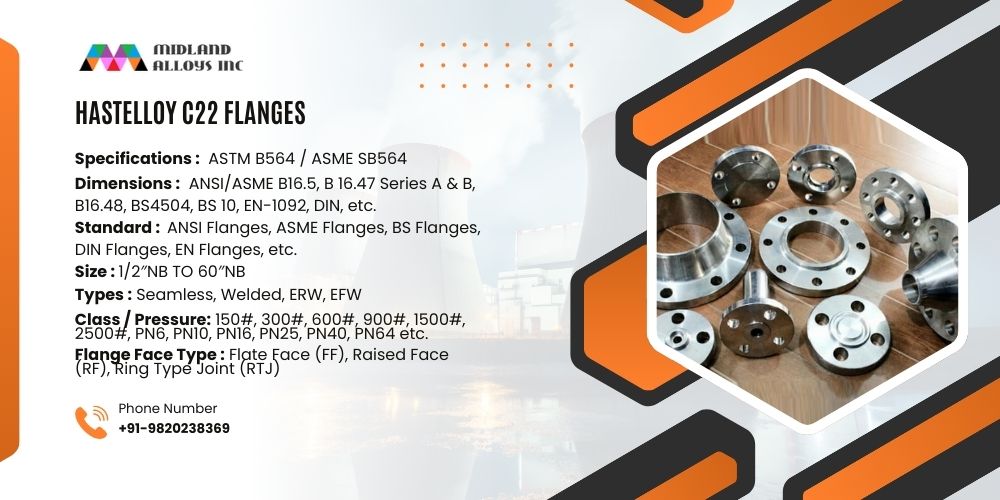
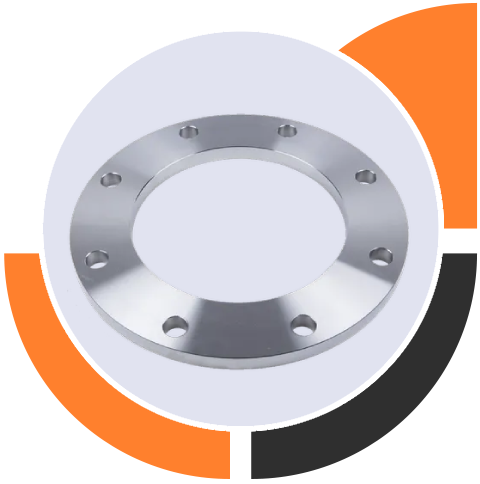
Hastelloy C22 flanges are precision-engineered pipe connectors made from Nickel-Chromium-Molybdenum alloy UNS N06022. It is designed to join piping systems in corrosive and high-temperature environments. Midland Alloys Inc. is a trusted Indian manufacturer and global supplier of Hastelloy C22 Flanges. The alloy includes small amounts of iron, cobalt, and tungsten, improving its performance in aggressive media. We produce various types, including Hastelloy DIN 2.4602 Socket Weld Flanges, Slip On Flanges, Weld Neck Flanges, and Reducing Flanges, all manufactured under ASTM B564 / ASME SB564 standards. We offer various surface finishes, ranging from machined and smooth to serrated and spiral, depending on the project’s needs. Our team ensures every ANSI B16.5 Hastelloy C22 flange meets both local and global application needs.


hastelloy-c22-flanges-proimg
hastelloy-c22-flanges

Key Benefits of Hastelloy C22 Flanges

Hastelloy C22 Flanges offer consistent reliability across critical operations. They can withstand harsh mechanical and chemical conditions for extended periods of time due to their chemical composition.


  • Superior Corrosion Resistance: Withstand oxidizing and reducing agents, acids, and chlorides.
  • High Strength and Toughness: Maintain mechanical strength even under high stress and pressure.
  • Excellent Weldability: Simplify fabrication and on-site installation with clean, strong weld joints.
  • Good Formability: Allow cold and hot working into custom shapes without cracking or degradation.
  • High-Temperature Performance: Retain structural integrity in operations involving up to 1250°F (677°C).

Hastelloy C22 Flanges Standard Specification

flanges icon
Sizes in Stock

1/2" (15 NB) to 48" (1200NB)

ASTM Standard
Standard

ASTM B564 / ASME SB56

measurement and dimensions
Dimensions

ANSI/ASME B16.5, B 16.47 Series A & B, B16.48, BS4504, BS 10, EN-1092, DIN, etc.

Flange Types
Types of Flanges

Threaded / Screwed / Forged / Plate

Pressure Icon
Class / Pressure

150#, 300#, 600#, 900#, 1500#, 2500#, PN6, PN10, PN16, PN25, PN40, PN64 etc.

flange face types raised face, flat face, and ring type joint
Flange Face Type

Flate Face (FF), Raised Face (RF), Ring Type Joint (RTJ)

Process
Flanges Process

Forging, Rolling, Casting

flange thread icon
Flange Thread

FNPT, NPT, BSPT, MNPT, BSPP
Contact Midland Alloys Inc. for Your Hastelloy C22 Flanges Needs

Contact us today to discuss how Hastelloy C22 Flanges can benefit your application. Whether you need guidance in selecting the right pipes or have specific requirements, our team of experts is here to help you find the optimal solution.

Technical Details & Delivery Condition

Grade Ni C Mo Mn Si Fe P S Co Cr W V
Hastelloy C22 Balance 0.010 max 12.5-14.5 0.50 max 0.08 max 2-6 0.02 max 0.02 max 2.5 max 20-22.5 2.5-3.5 0.35 max
Grade Density Melting Point Tensile Strength Yield Strength (0.2%Offset) Elongation
Hastelloy C22 8.69 g/cm3 1399 °C (2550 °F) Psi – 1,00,000, MPa – 690 Psi – 45000, MPa – 310 45 %
STANDARD UNS WNR. AFNOR EN JIS
Hastelloy C22 N06022 2.4602 NiCr21Mo14W NW 6022

Nickel Alloy Flanges Grades We Offer

Difference Between Hastelloy C22 Flanges and Hastelloy C276 Flanges

While both C22 and C276 flanges offer outstanding corrosion resistance, they differ in chemical balance and performance in specific environments. Hastelloy C22 flanges are more effective in oxidizing situations, because they have a higher chromium concentration (around 22%) than C276. On the other hand, Hastelloy C276 flanges have better performance in reducing environments due to their higher molybdenum content. C22 flanges perform better in mixed acid environments, while C276 suits non-oxidizing acid environments. C22 also offers enhanced resistance to stress corrosion cracking and crevice corrosion. Depending on chemical exposure, C22 provides broader protection and versatility in harsh chemical processing industries.

Raw Material

Plate

arrow
Cutting

Shear

arrow
Sizing

Press

arrow
Heat Treatment

Inspection

arrow
Pickling

Lathe

arrow
Pickling

Drilling

arrow
Beveling

Cleaning

arrow
Polishing

Flange

arrow
Inspection

Inspection

arrow
Analytic

Analytic

arrow
Marking

Marking

arrow
Packing & Shipping

Packing & Shipping

Applications of Hastelloy C22 Flanges

Hastelloy C22 flanges are used in a variety of applications that require high-temperature performance and corrosion protection. In the chemical processing sector, these flanges handle aggressive media like hydrochloric and sulfuric acids. The pulp and paper industries use them for bleaching processes, while pharmaceutical factories use them for sterile pipe systems. In marine environments, C22 flanges resist seawater corrosion and biofouling. They’re also found in power plants, especially in flue gas scrubber systems, and in food processing units, where hygiene and material compatibility are critical. Their use in pollution control equipment and nuclear fuel reprocessing highlights their versatility in high-risk operations.

Why Choose Midland Alloys Inc. for Hastelloy C22 Flanges

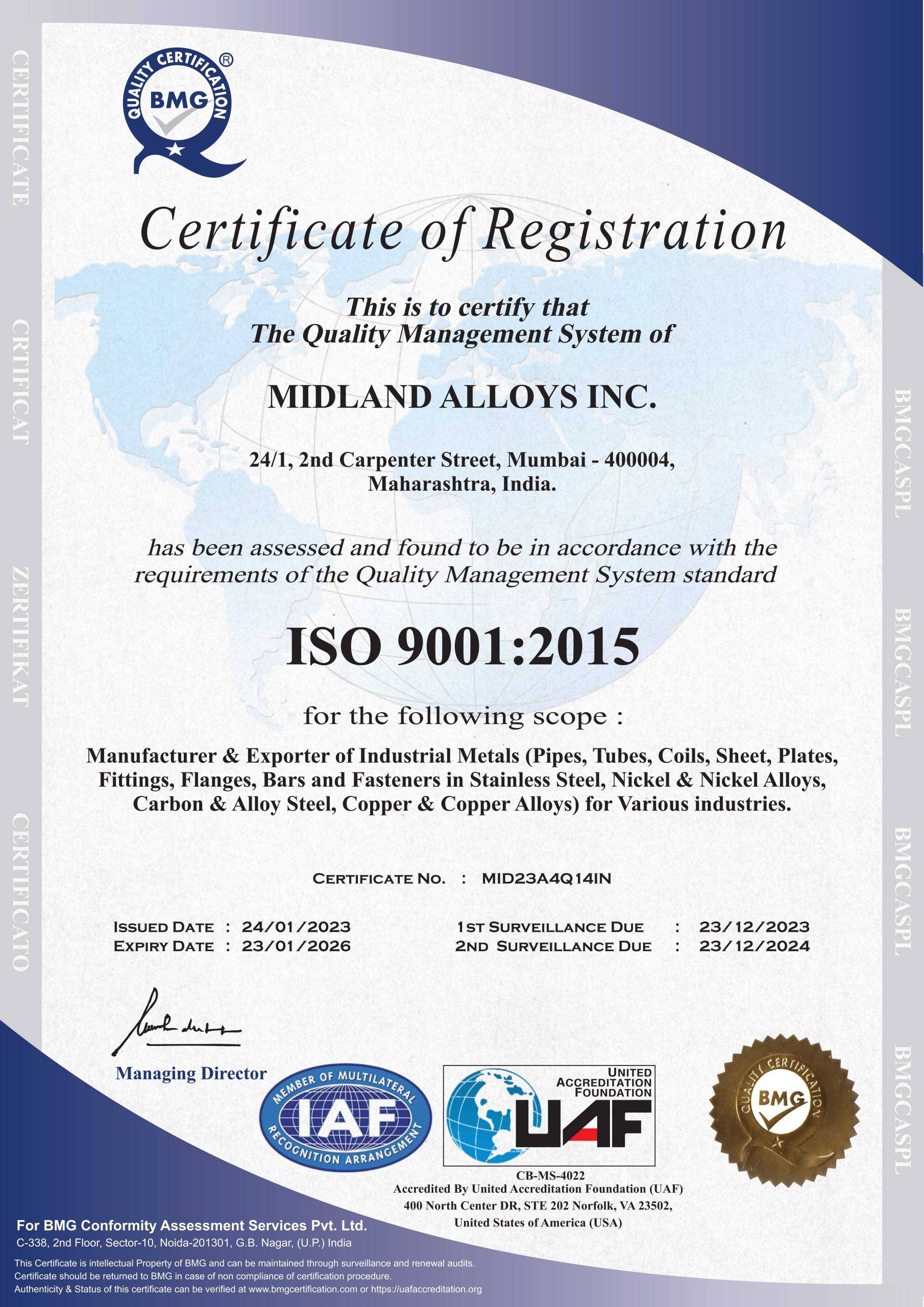
Midland Alloys Inc. provides premium Hastelloy C22 Flanges. Every batch is processed using ISO-certified procedures, and we adhere to stringent ASTM B564 and ASME SB564 standards. Our team offers full customization, cut-to-length sizes, surface finishes, special thicknesses, and custom schedules. With customers in the Gulf, Europe, Southeast Asia, and Africa, we effectively manage both small and large orders. Every flange is put through internal testing, supported by third-party inspection certificates and mill test results. Our skilled team ensures timely delivery, project-specific documentation, and smooth global logistics. Partner with us for long-term supply support, consistent quality and full client satisfaction.

FAQ

Hastelloy C22 flanges are available in pressure classes ranging from 150 to 2500 LB, depending on the type and size.

Yes, Hastelloy C22 flanges are perfect for offshore and marine environments, particularly when pitting and crevice corrosion are issues and they have a high resistance to seawater corrosion.

GTAW (TIG) and GMAW (MIG) processes are widely used, with low heat input and matching filler metals like ERNiCrMo-10 to ensure weld integrity.

No, post-weld heat treatment is not typically required, but solution annealing may be done depending on application severity and corrosion risk.


Quick Quote Request

Our experts will get back within 24 hrs.