Hastelloy C276 Flanges Manufacturer & Supplier
Midland Alloys Inc. is a trusted hastelloy c276 flanges manufacturer. Hastelloy C276 is a nickel-molybdenum-chromium alloy known for its high resistance to oxidizing and reducing chemicals. These flanges are utilized in chemical processing, pollution control, pulp and paper production, and maritime exhaust systems. We ensure the reliability of every product by using ISO-certified facilities and adhering strictly to NACE, PED, and ASTM standards. As a trusted nickel alloy C276 flange supplier, we provide consistent quality and on-time delivery to clients worldwide. Our corrosion resistant hastelloy flanges are trusted by industries around the world to handle critical and corrosive situations and they suit a wide range of project requirements.
Hastelloy C276 Flanges Overview
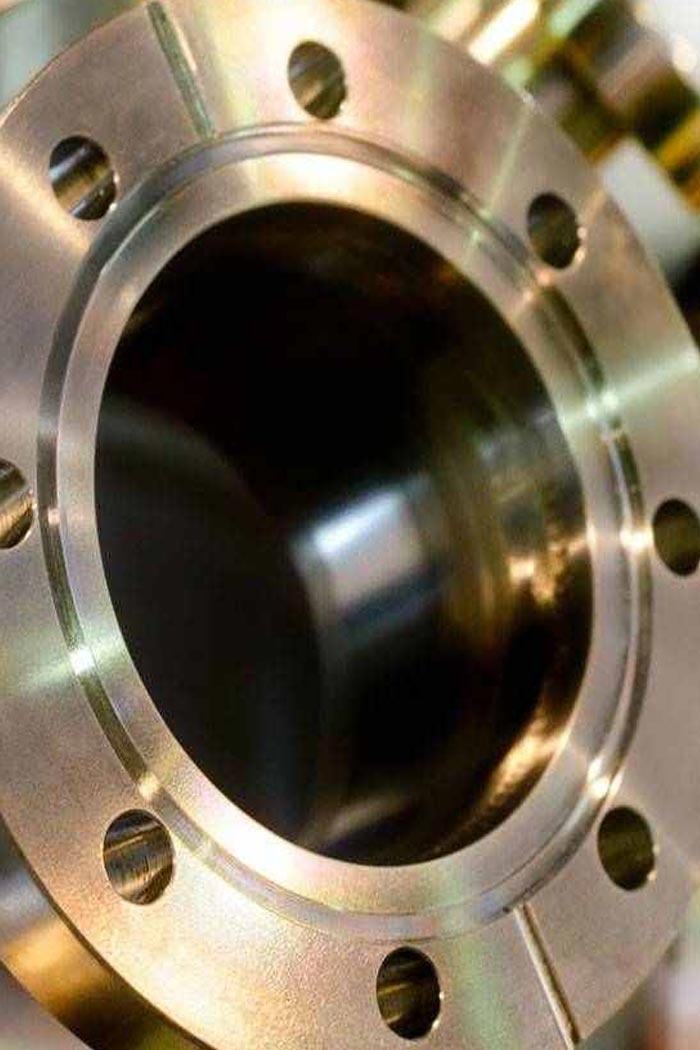
Hastelloy C276 flanges are precision-engineered components made from UNS N10276 flange material designed to join pipes, valves, and equipment in demanding environments. These flanges are made of a nickel-molybdenum-chromium alloy that contains trace amounts of iron, tungsten, and cobalt, providing excellent resistance to highly corrosive conditions. The chemical makeup of nickel (~57%), molybdenum (~16%), chromium (~15.5%), and iron (balance) ensure good stability in both oxidizing and reducing environments. These nickel molybdenum chromium flanges meet ASTM B564 and ASME SB564 specifications and perform well in wet chlorine gas, hot contaminated organics, ferric chlorides, and cupric chlorides.
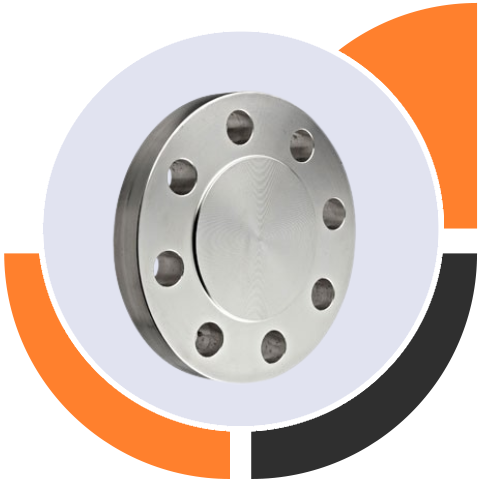
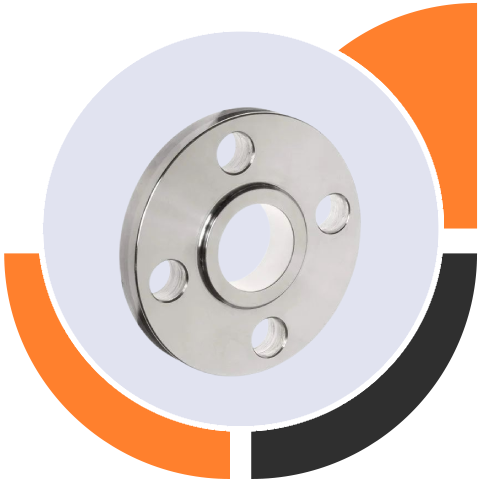
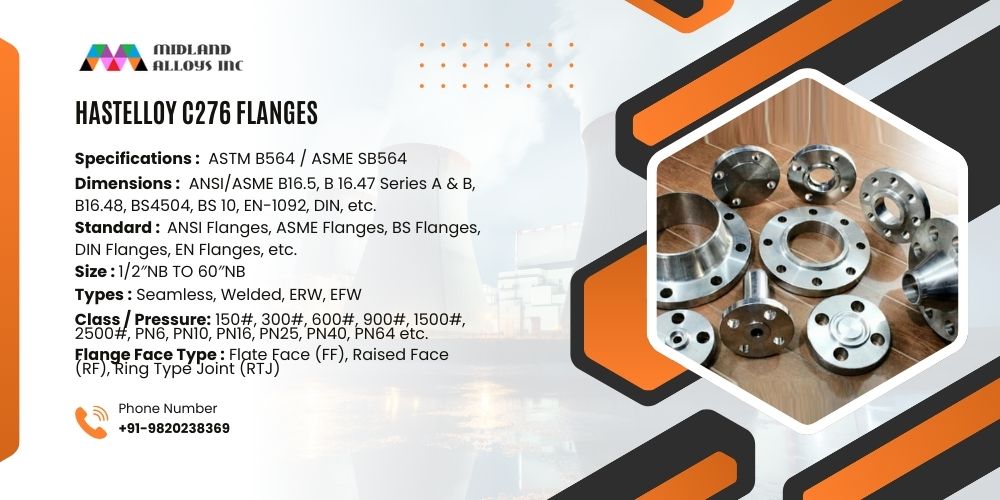
Hastelloy C276 flange specifications include various types such as slip-on, weld neck, socket weld, threaded, and blind. These are built to ANSI/ASME B16.5 pressure ratings ranging from 150# to 1500#. The sizes range from ½” to 24″, making them appropriate for various industrial systems. ASTM B564 C276 flanges are known for their exceptional corrosion resistance and ability to perform in hostile settings for extended period of time without degradation. These chemical resistant alloy flanges are manufactured with precision and attention to standards to provide a leak-proof and long-lasting connection for sensitive systems.
Key Benefits of Hastelloy C276 Flanges
Hastelloy C276 flanges deliver reliable performance in conditions where other materials fail. Their corrosion resistance and strength make them essential for harsh industrial operations. UNS N10276 flange benefits are as follow:
- Unmatched resistance to a wide range of aggressive chemicals, including strong oxidizers.
- Outstanding performance in both oxidizing and reducing environments.
- Excellent protection against localized corrosion like pitting, crevice corrosion, and stress corrosion cracking.
- These flanges retain mechanical strength in high-temperature and high-stress conditions.
- Proven reliability in harsh industrial applications like chemical processing and marine exhaust systems.
- These flanges comply with international quality standards like ASTM B564 and ASME SB564.
- Hastelloy C276 corrosion resistance ensure durable performance in critical plant operations.
ASTM B564 Hastelloy C276 Flanges Standard Specification
ASTM B564 Hastelloy flanges are designed for dimensional accuracy, pressure strength, and corrosion resistance. The specification chart below provides important details such as material grade, tolerance, and compliance norms for safe use.

1/2" (15 NB) to 48" (1200NB)

ASTM B564 / ASME SB56

ANSI/ASME B16.5, B 16.47 Series A & B, B16.48, BS4504, BS 10, EN-1092, DIN, etc.

Threaded / Screwed / Forged / Plate

150#, 300#, 600#, 900#, 1500#, 2500#, PN6, PN10, PN16, PN25, PN40, PN64 etc.

Flate Face (FF), Raised Face (RF), Ring Type Joint (RTJ)

Forging, Rolling, Casting

FNPT, NPT, BSPT, MNPT, BSPP
Contact us today to discuss how Hastelloy C276 Flanges can benefit your application. Whether you need guidance in selecting the right pipes or have specific requirements, our team of experts is here to help you find the optimal solution.
Types of Hastelloy C276 Flanges
Hastelloy C276 flanges are available in a variety of configurations to meet specific pipe systems and pressure requirements. The table helps in determining the best flange type which includes weld neck, slip-on, threaded, blind, lap joint, and socket weld kinds.
Manufacturing Types
-
SORF (Slip-On Raised Face)Slides over the pipe and gets welded for easy installation in low-pressure systems.
-
BLRF (Blind Raised Face)Closes off pipe ends; used for testing or sealing flow in a system.
-
SWRF (Socket Weld Raised Face)Pipe fits into a recessed area and is welded around the edge. Ideal for small-bore, high-pressure lines.
-
WNRF (Weld Neck Raised Face)Has a long, tapered hub and welds to the pipe for strong, leak-proof joints under high pressure.
Face Forms
-
Raised Face (RF)The most common type has a raised surface that improves gasket sealing in medium to high pressure.
-
Ring Type Joint (RTJ)Uses a metal ring for sealing and works well in high-pressure, high-temperature services.
-
Flat Face (FF)Flat surface flange used with cast iron or low-pressure piping where full face gasket is needed.
-
Lap-Joint Face (LJF)Used with stub ends and are easy to align and install. Good for systems that need frequent dismantling.
Technical Details & Delivery Condition
| Nominal Size (in) | Pressure Rating | Outer Diameter (mm) | Thickness / Raised Face (mm) | Bore Diameter (mm) |
| ½” | 150# – 1500# | 114.3 | 16 – 51 | 21.3 |
| 1” | 150# – 1500# | 139.7 | 18 – 57 | 33.4 |
| 2” | 150# – 1500# | 190.5 | 19 – 76 | 60.3 |
| 4” | 150# – 1500# | 241.3 | 22 – 102 | 114.3 |
| 6” | 150# – 1500# | 298.5 | 24 – 127 | 168.3 |
| 8” | 150# – 1500# | 362 | 27 – 140 | 219.1 |
| 10” | 150# – 1500# | 406 | 30 – 165 | 273.1 |
| 12” | 150# – 1500# | 480 | 33 – 178 | 323.9 |
| 16” | 150# – 1500# | 605 | 38 – 216 | 426.1 |
| 24” | 150# – 1500# | 762 | 51 – 292 | 620.7 |
| Nominal Size (in) | Pressure Rating | Outer Diameter (mm) | Thickness / Raised Face (mm) | Bore Diameter (mm) |
| ½” – 24” | 150# – 1500# | Varies by size | Varies by pressure | Corresponds to pipe size |
| Nominal Pressure Class | 150# | 300# | 400# | 600# | 900# | 1500# |
| Maximum Working Pressure at 38°C (100°F) | 19 bar / 275 psi | 51 bar / 740 psi | 68 bar / 1000 psi | 103 bar / 1500 psi | 155 bar / 2250 psi | 258 bar / 3750 psi |
| Maximum Working Pressure at 204°C (400°F) | 17 bar / 250 psi | 48 bar / 700 psi | 61 bar / 880 psi | 97 bar / 1400 psi | 146 bar / 2120 psi | 241 bar / 3500 psi |
| Maximum Working Pressure at 427°C (800°F) | 12 bar / 175 psi | 37 bar / 540 psi | 49 bar / 710 psi | 79 bar / 1150 psi | 118 bar / 1710 psi | 194 bar / 2810 psi |
| STANDARD | WERKSTOFF NR. | UNS | JIS | BS | GOST | AFNOR | EN |
| Hastelloy C276 | 2.4819 | N10276 | CN10276 | 2.4819 | ХН77ЮТ | — | NiCrMo16W |
Schedule charts contain information about wall thickness and dimensional strength for various flange types. This allow engineers to select appropriate flanges for pressure handling.
| Standard | Pressure Rating |
|---|---|
| ANSI |
|
| DIN |
|
| UNI /EN /DIN |
|
| Element | Composition, % |
| C | 0.01 max |
| Mn | 1.0 max |
| Si | 0.08 max |
| S | 0.015 max |
| Cu | 0.50 max |
| Fe | 4.0 max |
| Ni | 57 min |
| Mo | 15.0–17.0 |
| Cr | 15.5–17.5 |
| W | 3.0–4.5 |
| Co | 0.50 max |
| Property | Value |
| Tensile Strength | 485–690 MPa (70300–100000 Psi) |
| Yield Strength (0.2% Offset) | 276–414 MPa (40000–60000 Psi) |
| Elongation | 40–50% |
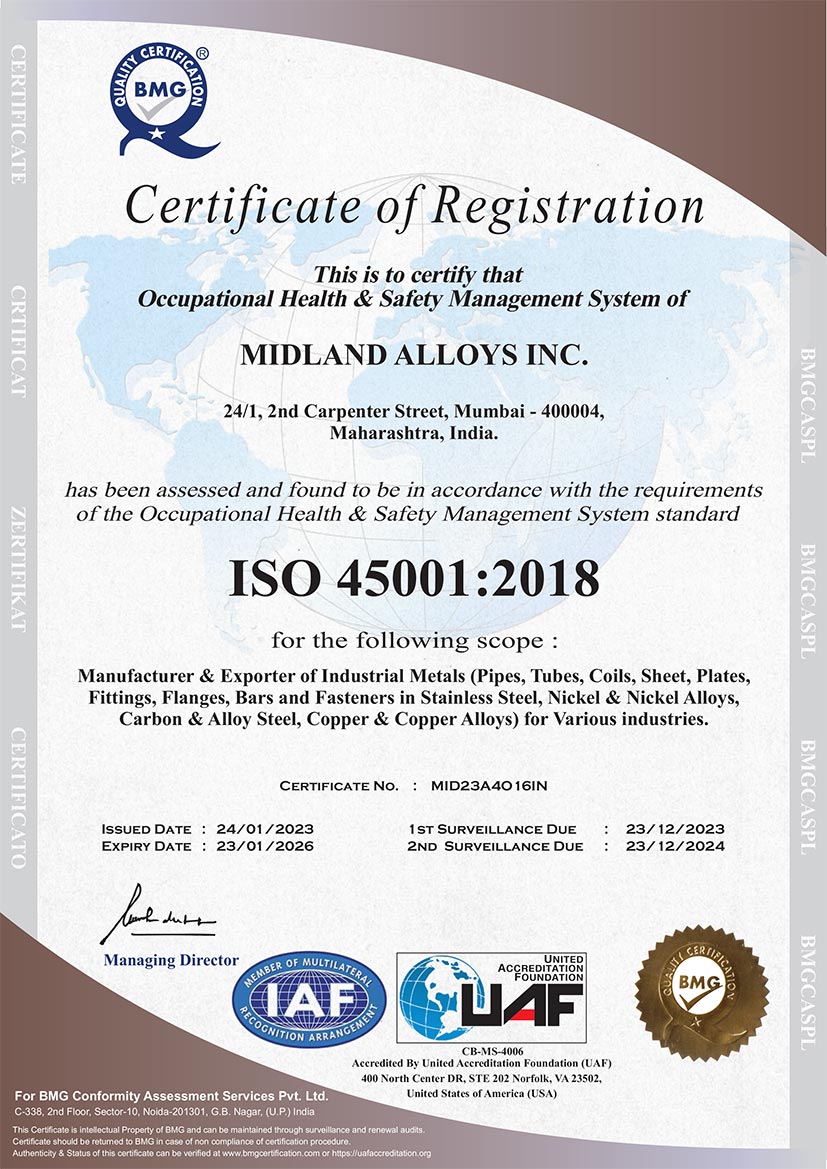
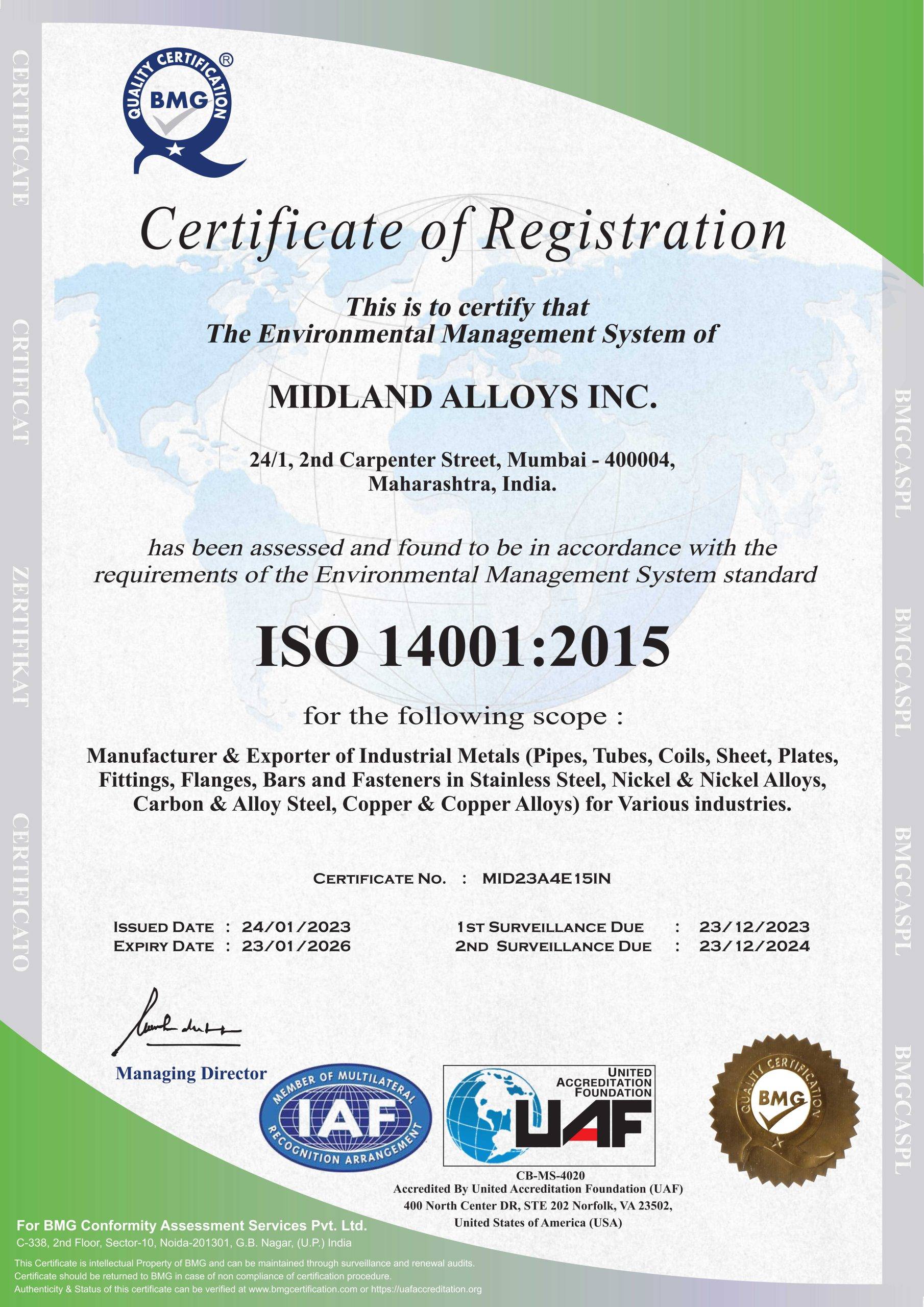
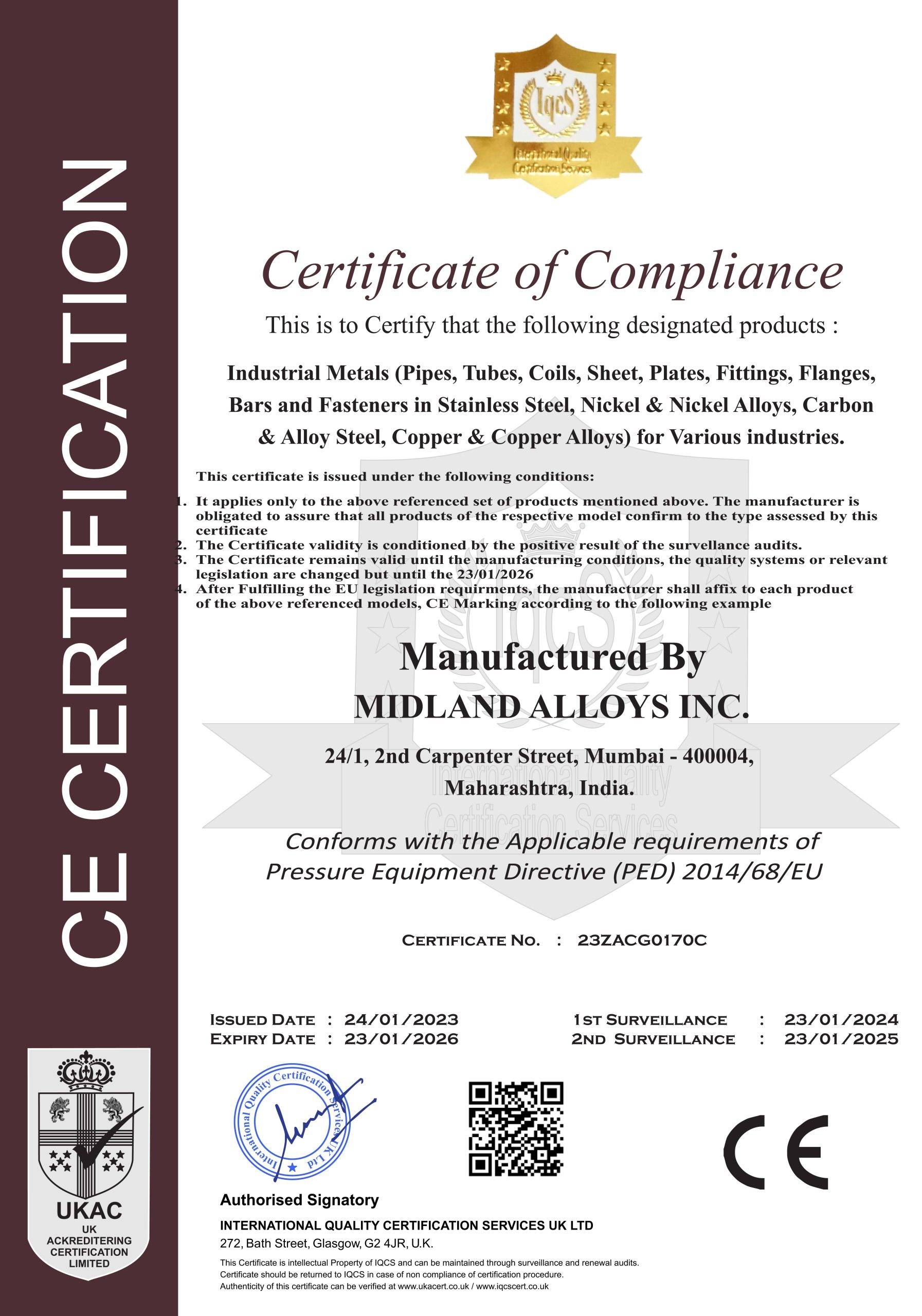
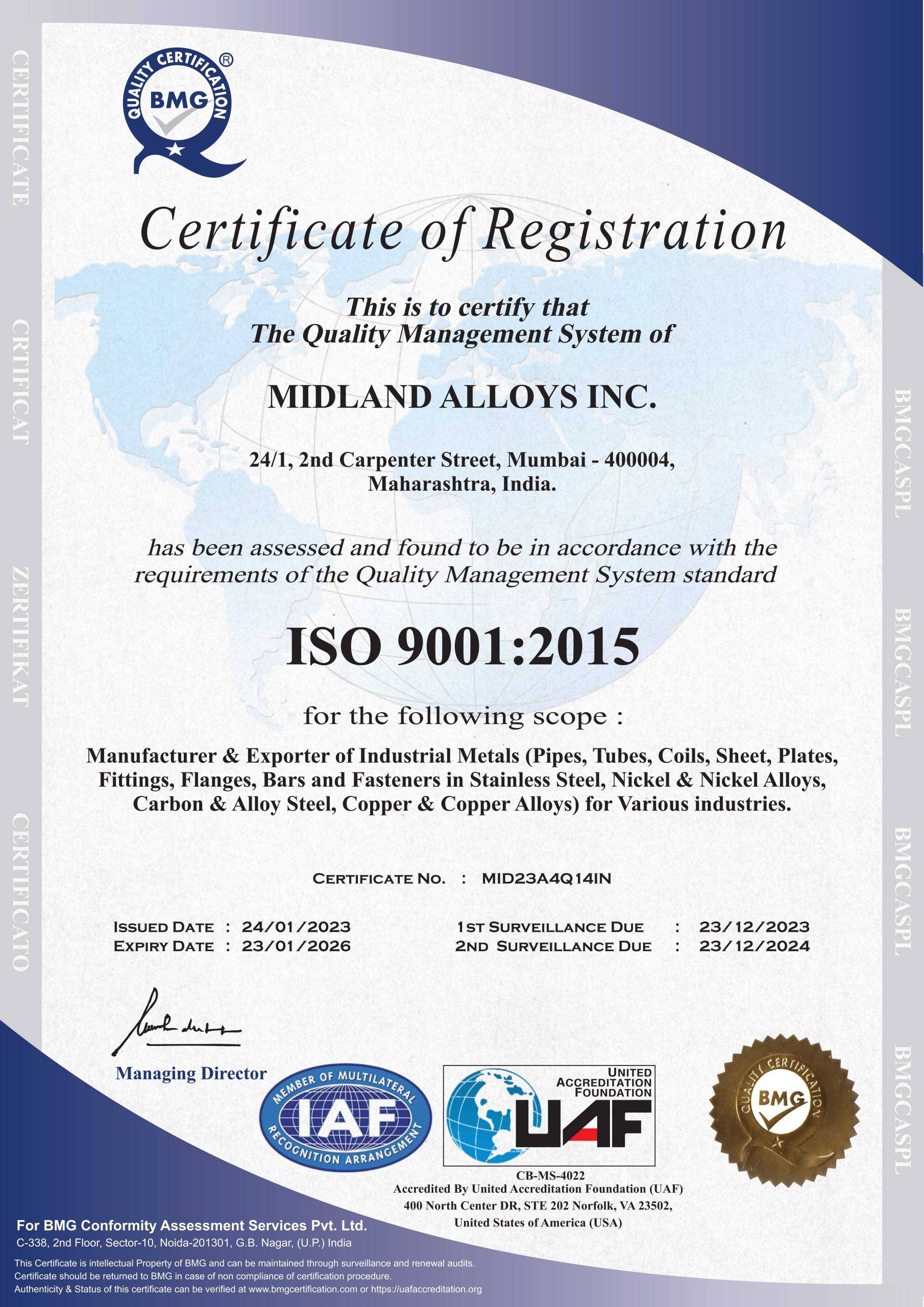
We supply Hastelloy C276 flanges with ISO 9001, PED, NABL, and IBR approvals. Each product has Mill Test Certificates and full traceability. As a certified exporter, we assure that our products meet international standards for safety and reliability.
Hastelloy C276 Flanges Grades We Offer
Difference Between Hastelloy Flanges and Stainless Steel Flanges
Hastelloy flanges are more corrosion resistant than stainless steel flanges, particularly in strong chemical conditions such as hydrochloric, and sulfuric acid exposure. While stainless steel flanges such as SS 316 may perform well in mild conditions, Hastelloy alloys, particularly UNS N10276 and N06022, withstand more aggressive chemicals, crevice corrosion and high heat. Mechanically, Hastelloy flanges show higher tensile strength and stability at elevated temperatures. Hastelloy costs more because of its nickel-rich composition, but it has a longer service life and requires fewer replacements in critical applications.
Plate

Shear

Press

Inspection

Lathe

Drilling

Cleaning

Flange

Inspection

Analytic

Marking

Packing & Shipping
Industrial Applications
Hastelloy C276 flanges are used extensively in a variety of industries. In chemical processing, they work with strong acids and solvents in reactors and pipe systems. They are used in wastewater treatment plants to manage corrosive liquids and gases. In the pharmaceutical industry, these flanges link pipes that transport critical substances under controlled circumstances. Marine engineering use them in exhaust systems that are exposed to seawater and hot gases. In fuel handling and propulsion systems the aerospace and defense industries use hastelloy flanges. They are utilized in nuclear fuel reprocessing plants for pipes and containment structures that deal with highly radioactive media.
Testing & Packaging
Every Hastelloy C276 flange go through quality testing including PMI, ultrasonic, hydro, and visual inspections. This ensure accurate composition, strength, and defect-free performance. For safe delivery, flanges are packed in wooden boxes with plastic wrapping and export labels. Packaging is designed to protect against damage during handling and transit.
Why Choose Us
Midland Alloys Inc. is an ISO 9001, PED, and IBR certified manufacturer trusted by global industries. Our strong export network ensures on-time deliveries to every region. We offer custom lengths, finishes, and special coil forms to match client needs. With 24/7 customer support and material traceability, we make sourcing simple and reliable. Engineers worldwide rely on us for consistent quality and dependable nickel alloy flanges.
FAQs
The maximum service temperature is about 1900°F (1038°C), depending on the application.
Yes. They can be welded using TIG, MIG, and shielded metal arc processes without risk of sensitization.
The density is 8.89 g/cm³. Hardness ranges from 87 to 95 Rockwell B.