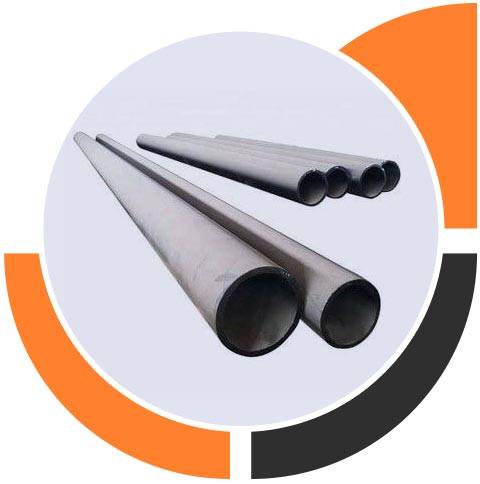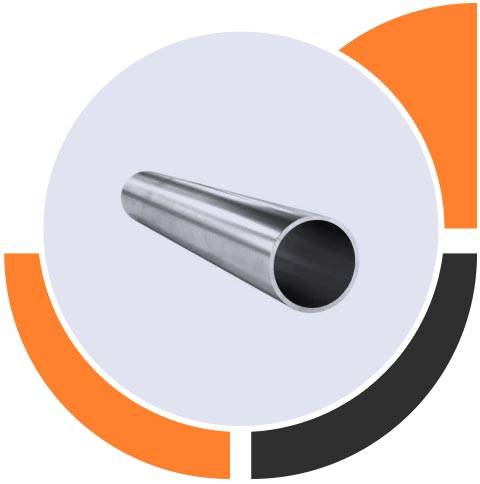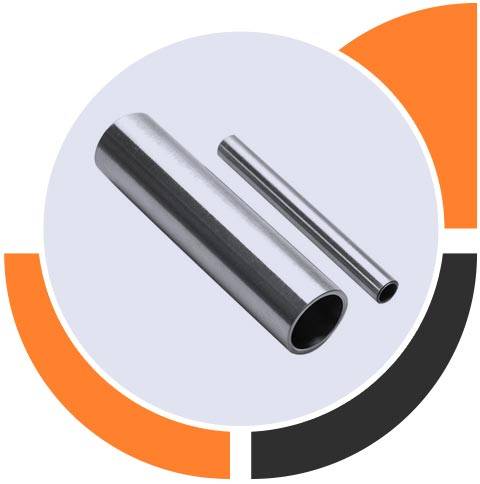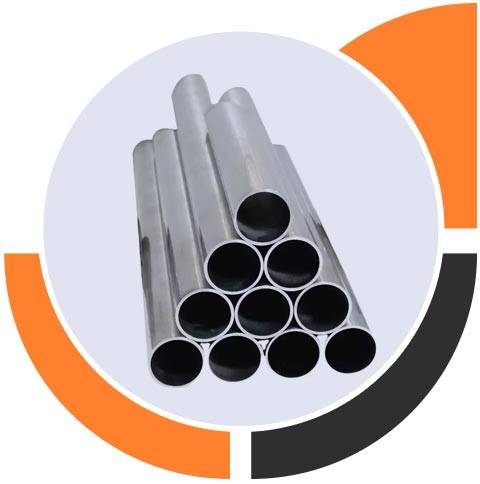
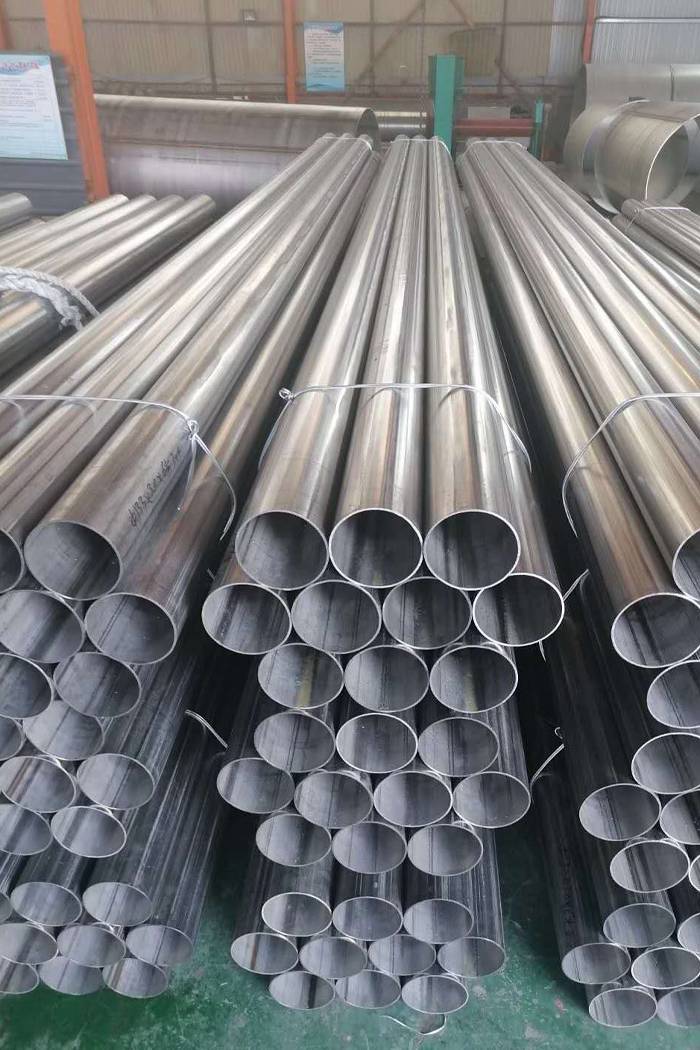
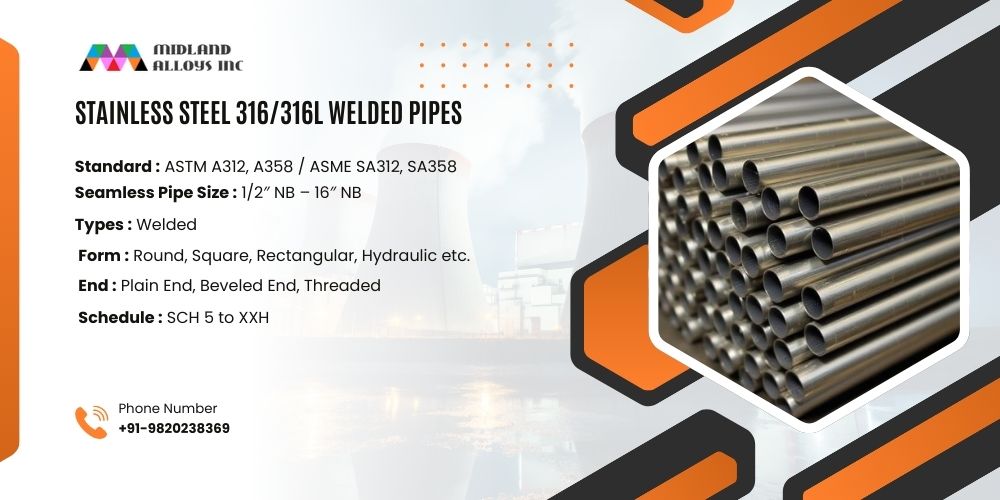
Stainless Steel 316 & 316L Welded Pipes Manufacturer
- Home
- Steel Pipes
- Stainless Steel 316/316L Welded Pipes
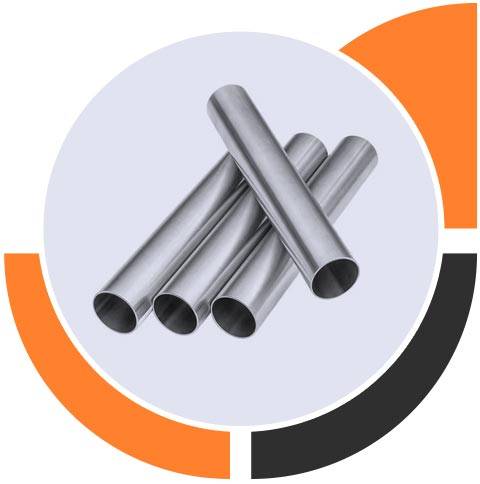
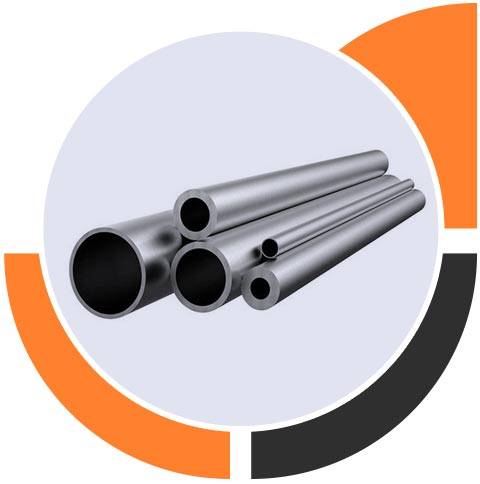
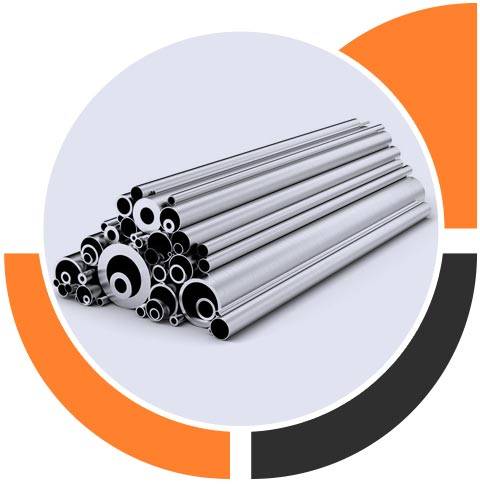
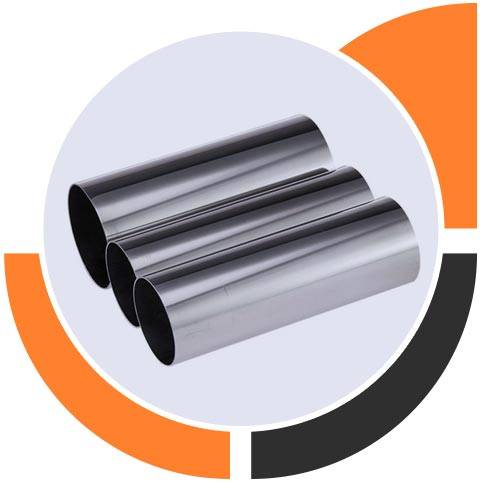
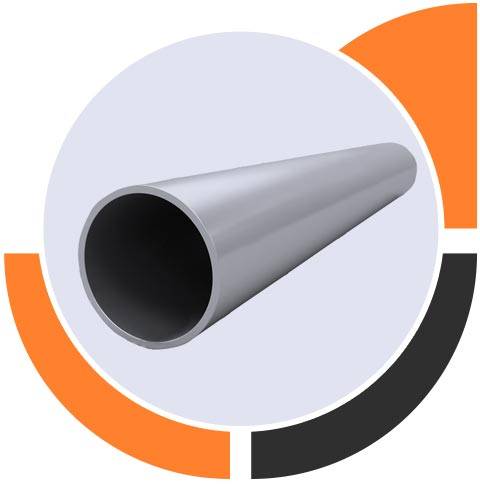
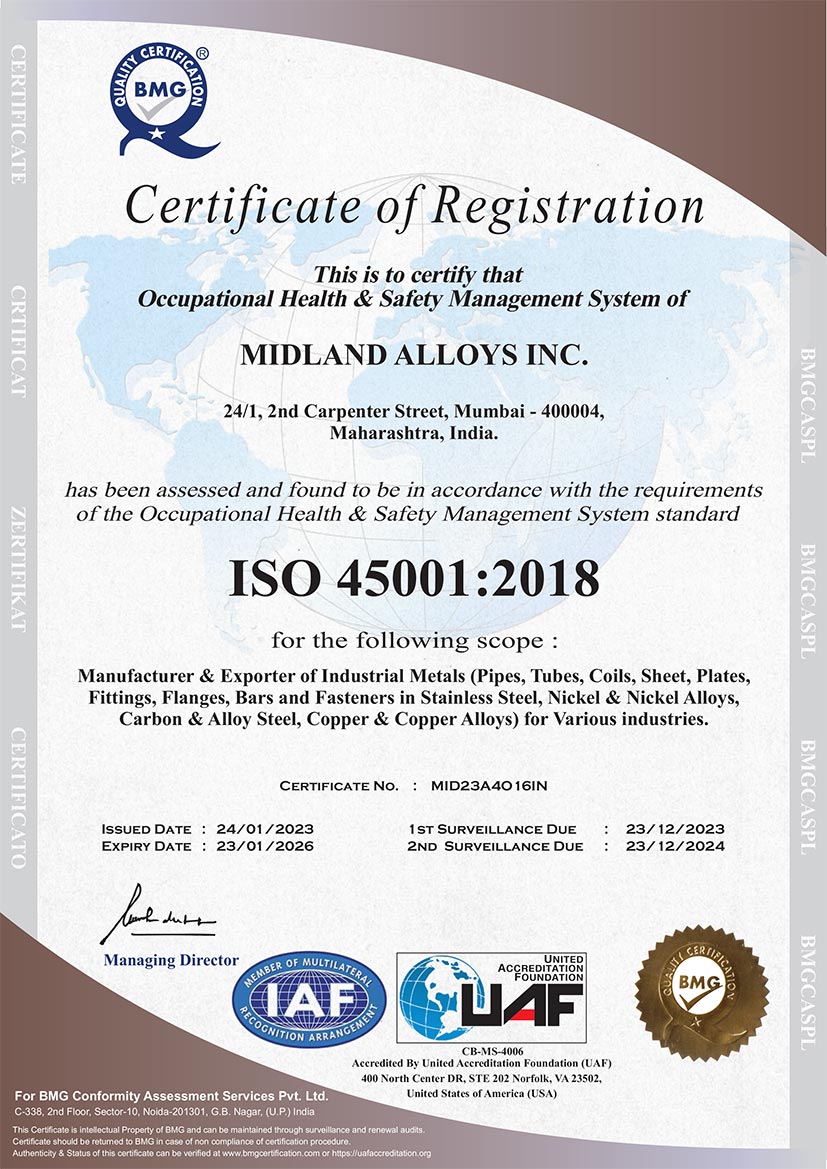
Midland Alloys Inc. is a trusted manufacturer and supplier of stainless steel 316 and 316L welded pipes, known for controlled production practices, precise welding, and deep stainless steel know-how built over years of industrial supply. Every stainless steel 316 welded pipe is produced with close attention to seam integrity, dimensional accuracy, and surface consistency, because welded quality decides service life. These pipes support industrial flow lines, structural sections and corrosive service duties where material failure is not an option. Manufacturing adheres to ASTM, ASME, and EN requirements that are applicable to welded stainless steel piping, including size range, wall thickness, and inspection limitations. Pipes are available in various diameters, thickness schedules, and finishes, ranging from mill finish to polished surfaces. Molybdenum concentration increases resistance to chlorides, whereas SS 316L welded pipe grades minimise carbon levels for safer welding. Ready stock, ISO 9001 certification and global Exports complete the supply scope from a reliable SS 316 welded pipe supplier and experienced manufacturer.
What is SS 316 & 316L Welded Pipe?
SS 316 and 316L welded pipes are manufactured by bending stainless steel coils, or plates into a tube shape and welding the longitudinal seam to form a closed pipe section. In simple terms, flat steel is turned into round steel, and then the edges are bonded using controlled welding techniques. Modern welding procedures emphasise clean seams, consistent heat input and uniform penetration, resulting in strong, and durable connections along the whole pipe length. The technique provides precise dimensional control, and constant wall thickness. The chromium-nickel-molybdenum combination makes SS 316 welded pipe and SS 316L welded pipe highly corrosion resistant, particularly in chloride-rich, and chemical situations. These grades work well in maritime environments, chemical handling, and mildly acidic applications. The reduced carbon level in 316L reduces carbide formation during welding, which improves weldability, and long-term corrosion resistance in sensitive environments. The end result is a strong stainless steel 316 welded pipe suitable for demanding applications.
Benefits of Welded 316 & 316L SS Piping
Welded pipes in these grades offer a unique mix of high-end corrosion protection and fabrication flexibility. They are essential for systems that face constant exposure to salt, acids, or industrial solvents.
- Strong resistance to general corrosion in chemical and industrial environments
- Improved pitting and crevice resistance in chloride-bearing media
- Enhanced weldability due to lower carbon content in 316L
- Reliable structural strength is maintained across welded seams
- Stable pressure handling for medium to high service conditions
- Consistent thermal stability during temperature fluctuations
- Smooth internal surface supporting steady flow and cleanliness
- Extended service life with reduced maintenance intervention
Specification of Stainless 316 / 316L Welded Pipes
The following specifications specify the dimensions ranges, standard compliance, and manufacturing limits for welded SS 316 and 316L pipes used in industrial and structural applications.

Seamless Pipe OD : 1/2″ NB – 24″ NB

ASTM A312 ASME SA312 / ASTM A358 ASME SA358

Seamless

Round, Square, Rectangular, Hydraulic Etc

Single Random, Double Random & Cut Length.

Plain End, Beveled End, Treaded

SCH5, SCH10, SCH20, SCH30, SCH40, STD, SCH80, SCH 80S, SCH60, SCH80, SCH120, SCH140, SCH160, SCH XXS, SCH XS

No. 2B - Mill finish/ Matte finish, No.8 - Mirror finish, No. 4 - Brushed finish, Bright, Annealing, Polished, Mirror
Types of SS 316 & 316L Welded Pipes
SS 316 / 316L welded pipes serve corrosion-critical duties where material stability matters more than appearance alone. Marine exposure, offshore platforms, and chemical processing units rely on these grades for steady performance under aggressive conditions.
Pipe Forms
-
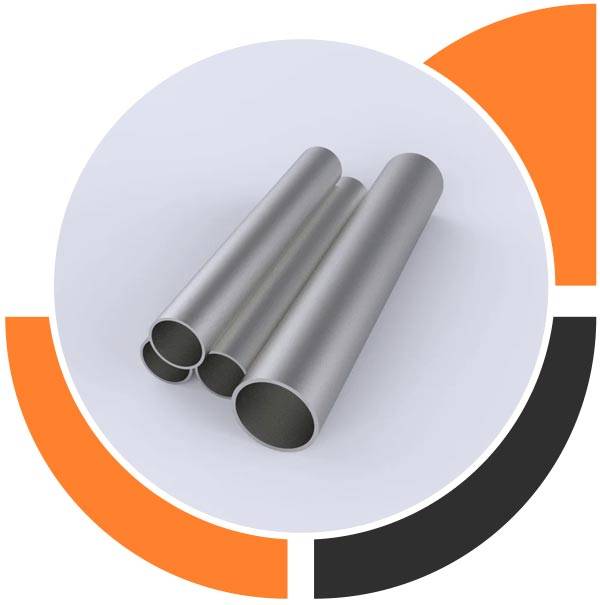
Round PipeThe primary choice for transporting liquids and gases in chemical and marine utility systems.
-
Square PipeThese provide excellent weight-bearing capacity for frames, supports, and industrial equipment skeletons.
-
Rectangular PipeFrequently used in architectural construction and machinery manufacturing where specific profiles are needed.
-
Polished PipeFinished to a high shine for decorative use or sanitary environments like food processing.
-
Process PipeHeavy-wall variants designed specifically to move aggressive media through refinery or offshore platforms.
Contact us today to discuss how Stainless Steel 316/316L Welded Pipes can benefit your application. Whether you need guidance in selecting the right pipes or have specific requirements, our team of experts is here to help you find the optimal solution.
Technical Details & Delivery Condition
Controlled chemical composition ensures corrosion resistance, weld stability, and mechanical consistency, with molybdenum and chromium levels carefully maintained as per applicable standards.
| Grade | C | Mn | Si | P | S | Cr | Mo | Ni | N |
| SS 316 | 0.08 max | 2.0 max | 1.0 max | 0.045 max | 0.030 max | 16 – 18 | 2 – 3 | 11 – 14 | 67.845 min |
| SS 316L | 0.035 max | 2.0 max | 1.00 max | 0.045 max | 0.030 max | 16 – 18 | 2 – 3 | 10 – 14 | 68.89 min |
Mechanical properties reflect the balance between strength and ductility required for pressure handling, fabrication, and long-term service reliability in welded pipe form.
| Density | Melting Point | Tensile Strength | Yield Strength (0.2%Offset) | Elongation |
| 8.0 g/cm3 | 1399 °C (2550 °F) | Psi – 75000 , MPa – 515 | Psi – 30000 , MPa – 205 | 35 % |
Stainless Steel Welded Pipe Grades We Also Offer
How SS 316/316L Seamless Pipes Are Manufactured
Round Bar

Analytic

Cut to Length

Centering

Heating

Perforation

Inspection of Size

Pickling

Inspection of Surface

Lubricating

Cold Drawing (Cold Rolling)

Degreasing

Annealing

Straightening

Cut

Pickling / Passivating

Inspection

Analytic

Marking

Packing & Shipping
Industrial Applications for SS 316 & 316L Welded Pipes
SS 316 and 316L welded pipes support a wide range of industrial applications where corrosion resistance and fabrication flexibility are required. Chemical processing plants use them for handling acids, solvents, and process fluids under controlled pressure. Marine and offshore systems rely on their resistance to saltwater exposure and humid conditions. Power generation units apply these pipes in cooling and auxiliary lines where thermal stability matters. Food and beverage processing benefits from clean internal surfaces and corrosion control during wash-down cycles. Pharmaceutical and water treatment facilities use them for utility piping with hygiene and durability needs. Structural use extends to supports and frames exposed to outdoor or chemical environments, where long service life reduces maintenance demands.
Why Choose Midland Alloy's SS 316 And 316L Welded Pipes
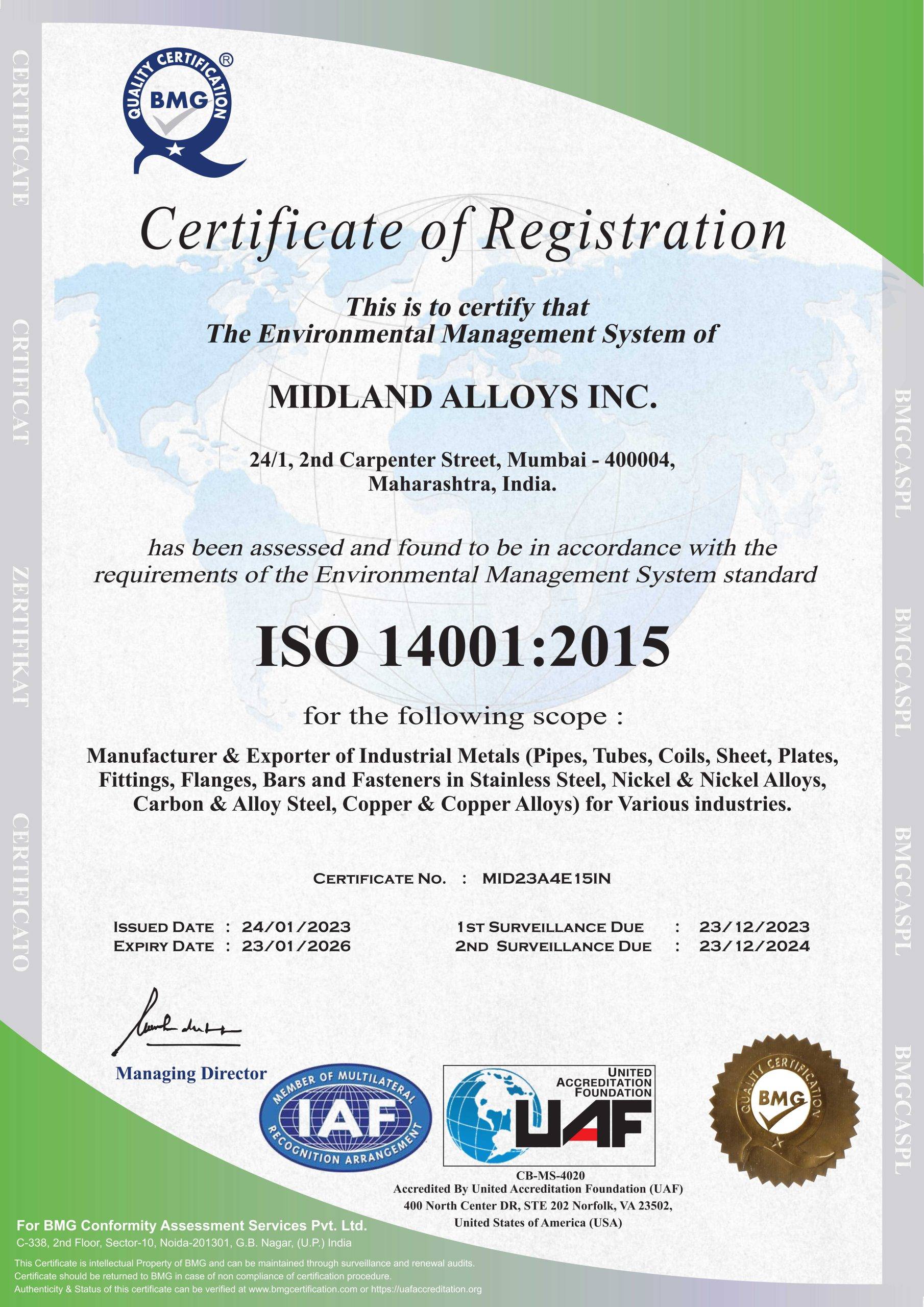
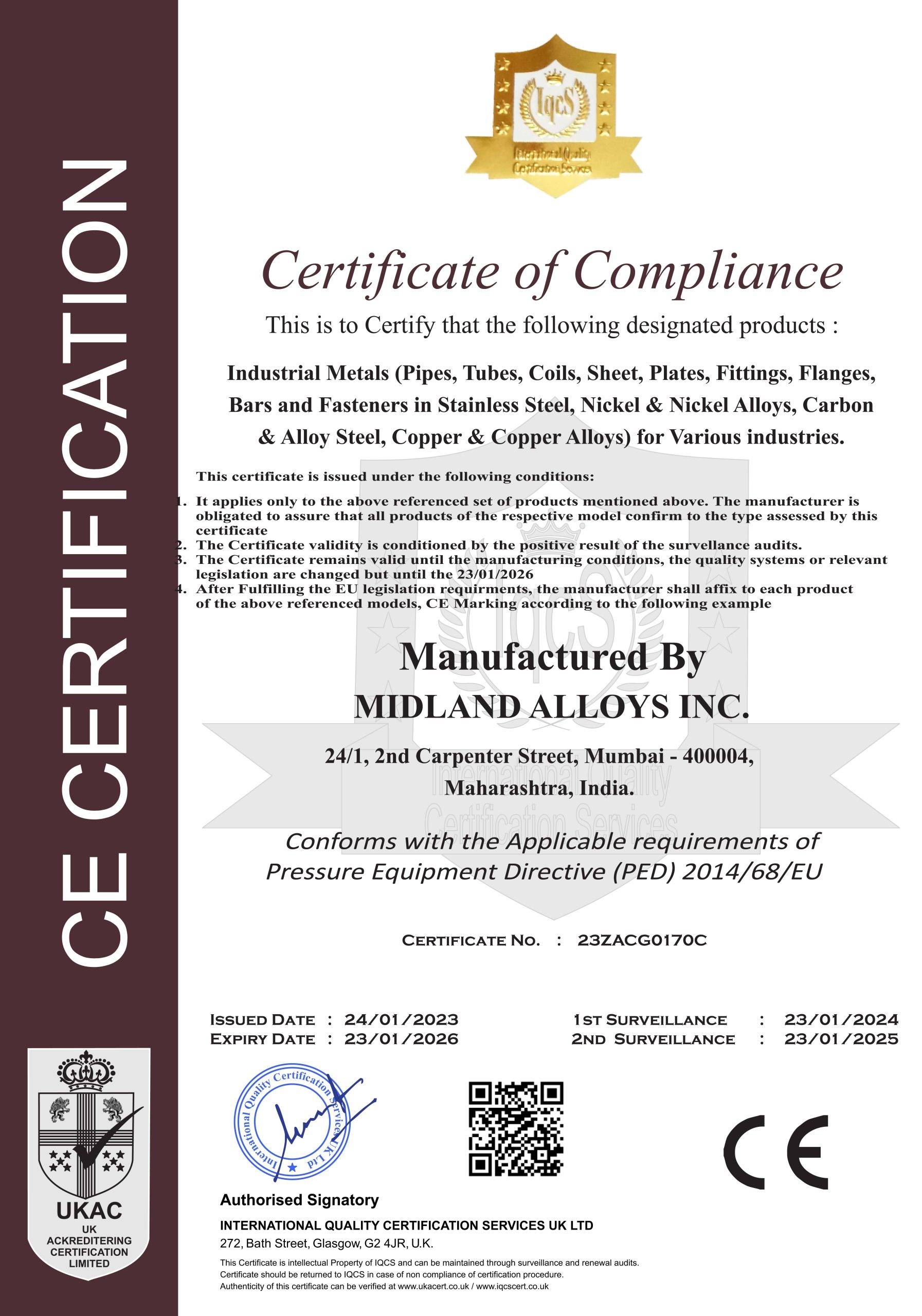
SS 316 and 316L welded pipes are preferred where corrosion control and welding reliability define system performance. The chromium–nickel–molybdenum alloy structure resists chloride attack and chemical exposure, making these pipes suitable for harsh industrial conditions. Lower carbon content in 316L improves weld integrity and reduces corrosion risk near heat-affected zones, which matters in continuous service lines. Stable mechanical behaviour supports long operating cycles without loss of strength. Supplied by an ISO certified company, each stainless steel 316 welded pipe supplier offering ensures traceable materials and consistent quality. Pipes meet export quality expectations with dimensional accuracy, surface control, and documentation aligned to international supply requirements.
FAQs
They are primarily used for transporting corrosive fluids, gases, and chemicals in industries like oil and gas, pharmaceuticals, and marine engineering.
The main difference is the carbon content; 316L has a lower carbon maximum (0.03%), which makes it better for welding as it prevents sensitization.
Yes, they are highly recommended for marine use because the molybdenum content resists salt-water corrosion and pitting.
Yes, the addition of molybdenum specifically enhances their ability to withstand chloride-induced stress corrosion cracking and pitting.