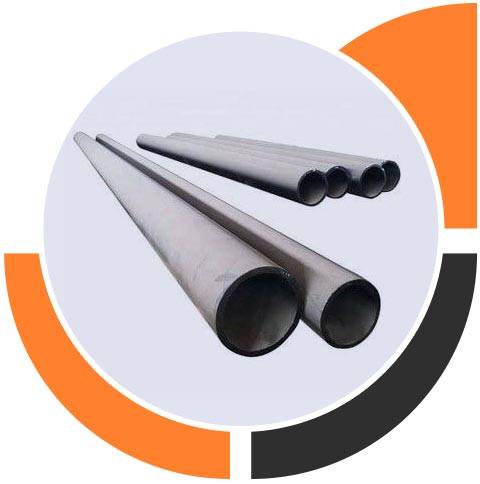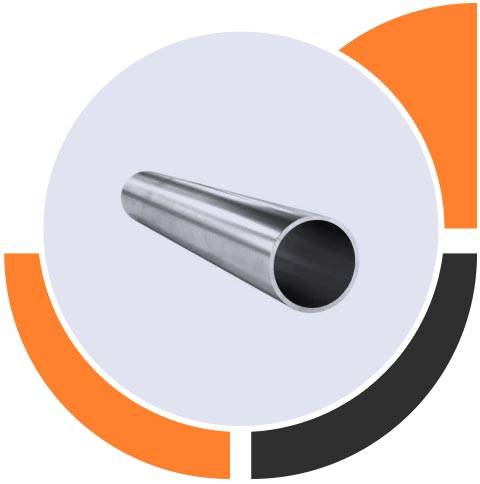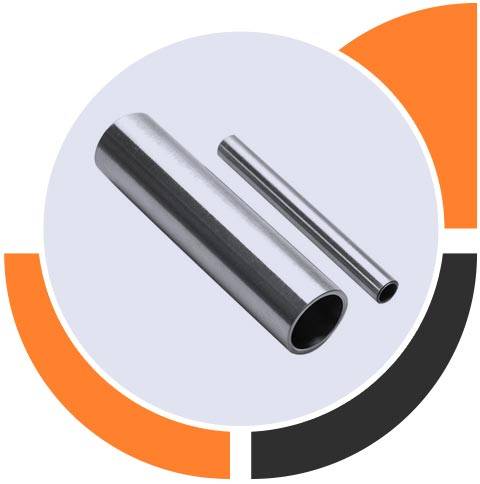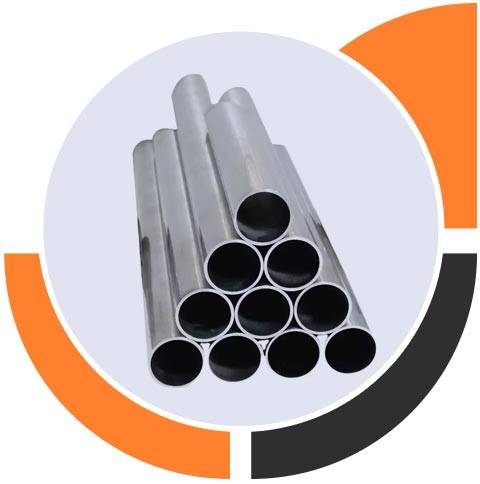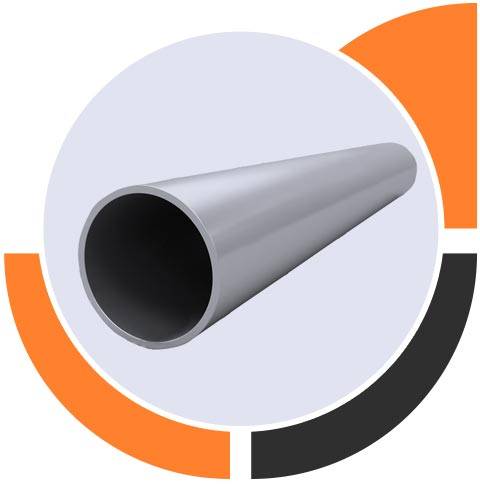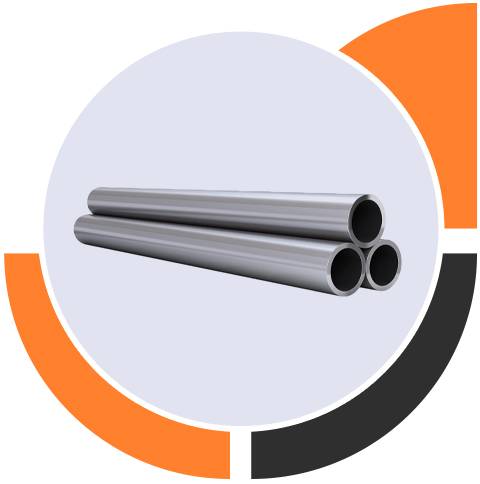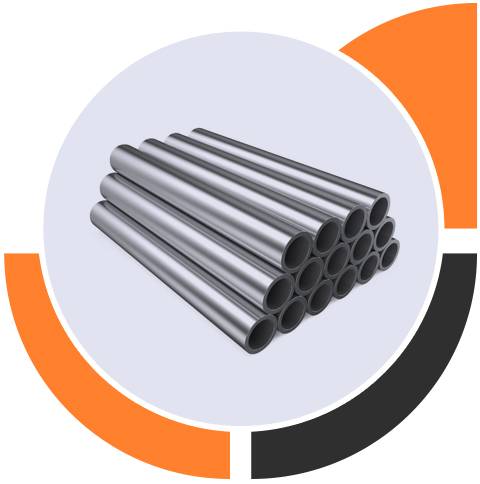
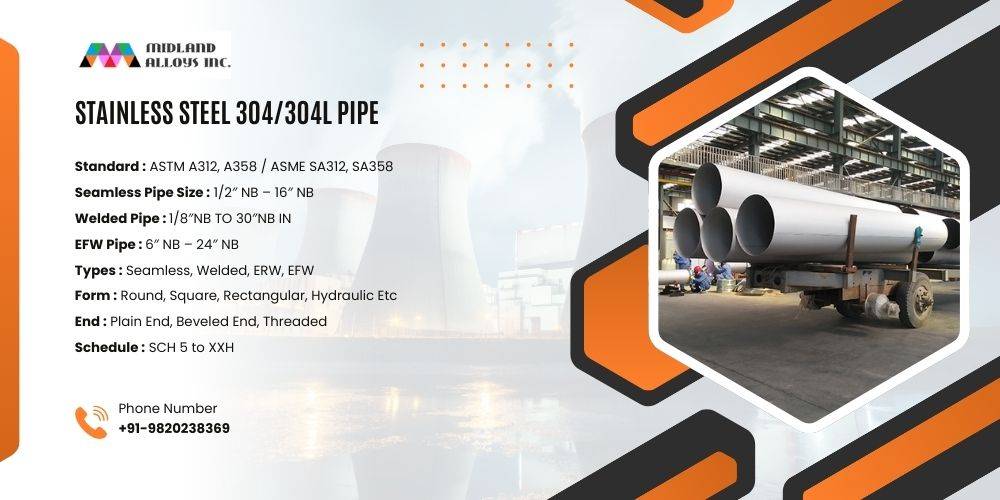
Stainless Steel 304/304L Pipes Manufacturer & Supplier

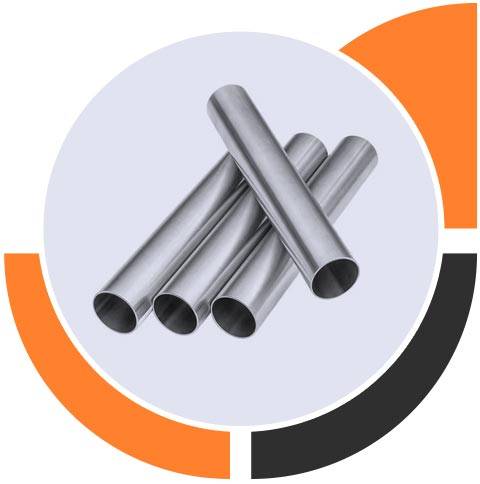
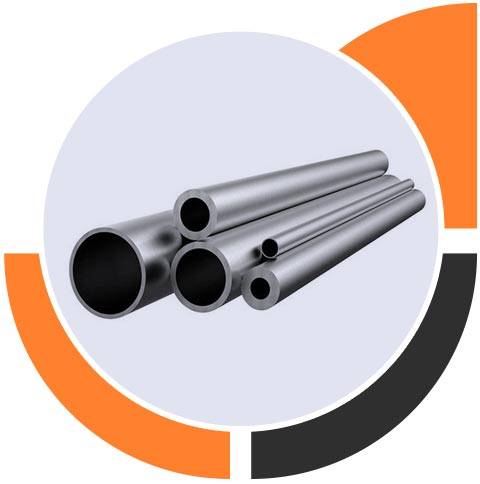
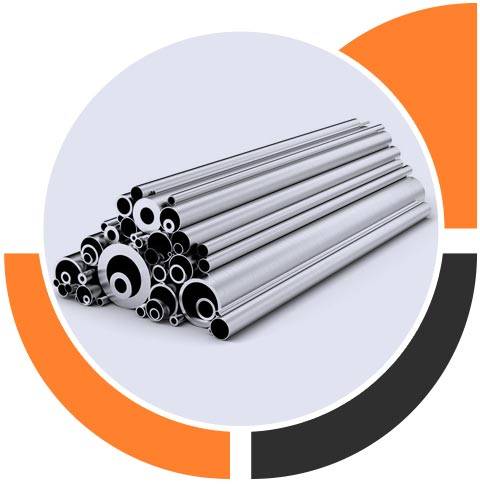
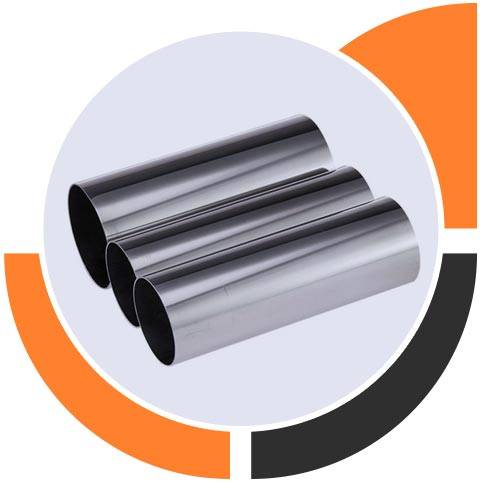
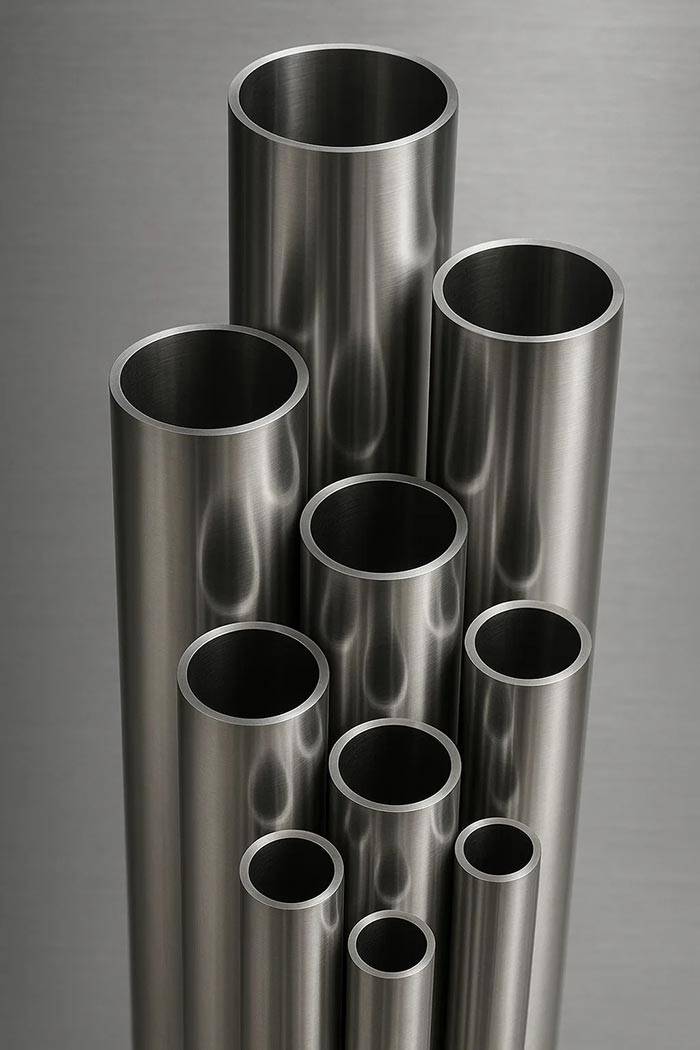
Midland Alloys Inc. is a trusted indian manufacturer and global supplier of stainless steel pipes and Stainless Steel tubes, offering high-performance solutions to industries worldwide. We specialize in Stainless Steel 304 and 304L Pipes, two of the most commonly used stainless steel grades in various industrial applications. SS 304 offers excellent corrosion resistance, strength, and ease of fabrication while SS 304L is its low-carbon variant that provides improved weldability and minimizes carbide precipitation during high-temperature welding.

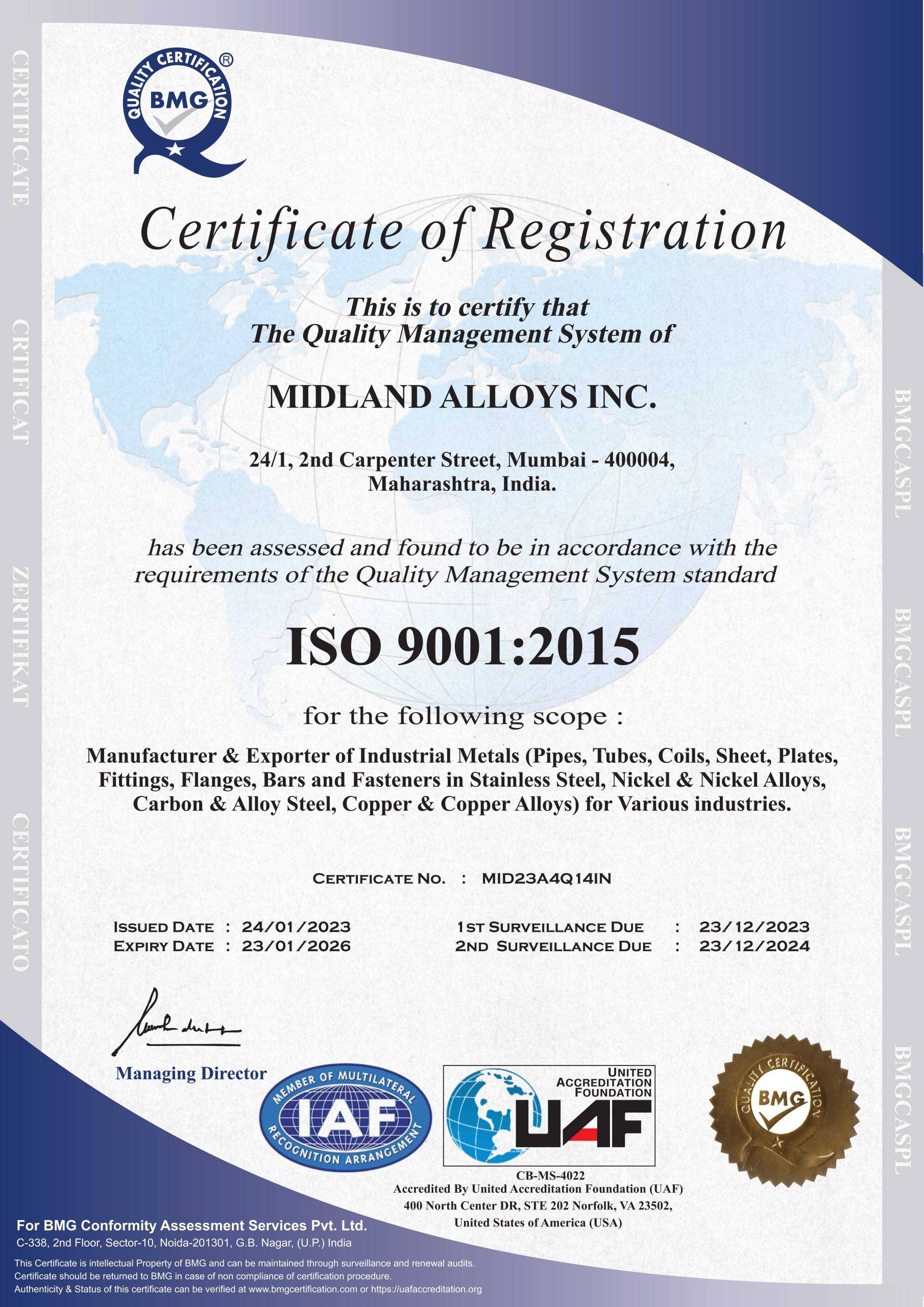
Our ASTM A312 TP304 Stainless Steel Pipes are available in both seamless and welded forms, covering a wide range of sizes and schedules to meet varied operational requirements. These pipes are widely used in sectors such as oil & gas, chemical processing, food and beverage, pharmaceuticals, and construction because of their durability and clean surface finish. All products are manufactured under our ISO 9001:2015 certified system, ensuring strict quality control and compliance with international standards. For detailed specifications, mechanical properties, and pricing, refer to the sections below.

Stainless Steel 304/304L Pipes

304 / 304L Stainless Steel Pipe Overview

304 / 304L stainless steel pipe is made from an austenitic alloy containing 18% chromium and 8% nickel. It is recognised for its corrosion resistance, strength, and versatility in structural and pressure applications. 304 is considered the standard grade, while 304L has lower carbon content and is preferred for welded applications where post-weld heat treatment is not required. Resistance is offered against atmospheric, chemical, and mildly acidic conditions, making these pipes suitable for demanding environments. Production is carried out as per ASTM A312, A213, and A269 standards to ensure quality and consistency. Pipes are supplied in seamless, welded, and ERW types and offered in round, square, and rectangular shapes. Frequent use is seen in industries such as oil & gas, pharmaceutical, chemical, food processing, and construction. Due to their durability, corrosion resistance, and ease of fabrication, 304 and 304L stainless steel pipes are considered the global standard for general-purpose stainless steel piping.

Stainless Steel 304/304L Pipe Specifications

Benefits of SS 304/304L Pipes

Long-term performance, reliability, and easy fabrication are offered by SS 304 and SS 304L pipes across a wide range of industries. The materials are known for their corrosion resistance, clean surface, and ability to withstand high temperatures without compromising strength or form.

  • High corrosion resistance provided in acidic, chemical and humid conditions
  • Excellent weldability supported by the low carbon content of SS 304L
  • Strength maintained during continuous use in high-temperature environments
  • Clean, non-reactive surface ensured for sanitary and hygienic installations
  • Easy compatibility achieved with bending, forming, and machining operations
  • Maintenance requirements reduced even after long service periods
  • Usage extended across oil, pharma, marine, and food industries
  • Balanced performance offered at a lower cost than grade 316 pipes

These qualities make stainless steel pipes a smart choice for demanding systems.

SS 304/304L vs Other Grades

Stainless Steel 316/316L Pipes are widely chosen for their excellent weldability, affordable cost, and strong corrosion resistance in mild to moderate environments. While Stainless Steel 904L Pipes offers better protection in chloride-rich conditions due to its molybdenum content, it’s also more expensive. Stainless Steel 321 Pipes includes titanium for better stability at high temperatures but is less weld-friendly than 304L. Compare to Stainless Steel 310 Pipes, Duplex Steel 2205 Pipes provides much higher strength and superior corrosion resistance in tough environments but requires skilled fabrication and comes at a premium. Selection often depends on budget, exposure conditions, stress levels, and service temperature. For balanced performance and cost, SS 304/304L remains a reliable, all-purpose option.

Stainless Steel 304/304L Pipe Specifications

Choosing the correct specifications is key to ensuring performance, safety, and compatibility in any system. SS 304/304L pipes come in various grades, sizes, wall thicknesses, and lengths, built to meet global standards. They are available in seamless, welded, or ERW forms with plain, beveled, or threaded ends to suit different applications.

Finish
Sizes in Stock

Seamless Pipe OD : 1/8 -12" NPS
Welded Pipe OD : 6.35 to 114.3 mm
EFW Pipe Size : 6″ NB – 24″ NB

ASTM Standard
Standard

ASTM A312, A358 / ASME SA312, SA358
UNS S30400, WNR 1.4301

Process
Manufacturing Process

Seamless, ERW, Welded, Fabricated

Form
Form

Round, Square, Rectangular, Hydraulic Etc

Length
Length

Single Random, Double Random & Cut Length.

End Icon
End

Plain End, Beveled End, Treaded

Schedule
Schedule

SCH5, SCH10, SCH20, SCH30, SCH40, STD, SCH80, SCH 80S, SCH60, SCH80, SCH120, SCH140, SCH160, SCH XXS, SCH XS

Finish
Surface Finish

No. 2B - Mill finish/ Matte finish, No.8 - Mirror finish, No. 4 - Brushed finish, Bright, Annealing, Polished, Mirror

This specification range ensures that ASTM A312 stainless steel pipe can be tailored to suit pressure ratings, space limits, and end-use conditions in various industrial systems.

Types of Stainless Steel 304/304L Pipes

Stainless steel 304/304L pipes are classified based on two key factors  how they are manufactured and the form or shape they take. Each manufacturing type and pipe form serves specific structural, pressure, or design needs in industrial systems.

Manufacturing Types

  • Seamless Pipe
    Seamless Pipe

    Made without a weld seam using hot rolling or extrusion.

  • Welded Pipe
    Welded Pipe

    Formed by welding stainless steel strips or plates; often used for longer lengths.

  • ERW Pipe
    ERW Pipe

    Produced by high-frequency welding of cold-formed steel coil.

  • EFW Pipe
    EFW Pipe

    Made by fusion welding using electric current, usually for larger diameters.

Pipe Forms

  • Round Pipe
    Round Pipe

    Standard cylindrical shape for general piping systems.

  • Square Pipe
    Square Pipe

    Equal sides, used where flat edges or uniform alignment are needed.

  • Rectangular Pipe
    Rectangular Pipe

    Flat-surfaced, suitable for design-specific or structural layouts.

  • Hydraulic Pipe
    Hydraulic Pipe

    Manufactured with tight tolerances for high-pressure hydraulic systems.
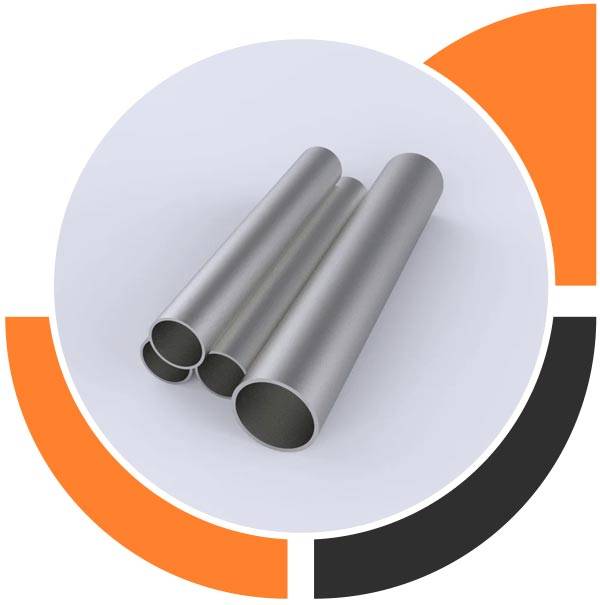
These types of SS 304 pipe cover a wide range of technical and structural needs, offering flexibility in both design and function.

Contact Midland Alloys Inc. for Your Stainless Steel 304 Pipes Needs

Contact us today to discuss how Stainless Steel 304/304L Pipes can benefit your application. Whether you need guidance in selecting the right pipes or have specific requirements, our team of experts is here to help you find the optimal solution.

Technical Details & Delivery Condition

Understanding the chemical composition of stainless steel 304 pipes and stainless steel 304L pipe is essential for choosing the right grade for corrosion resistance, strength, and welding. Both meet ASTM A312 standards, with similar chromium and nickel content. The key difference is the lower carbon in 304L (≤ 0.035%), which improves weldability.

GradeCMnSiPSCrMoNiN
SS 3040.08 max2 max0.75 max0.045 max0.030 max18 – 208 – 11
SS 304L0.035 max2.0 max1.0 max0.045 max0.03 max18 – 208 – 13

These values define the SS 304 and SS 304L chemical composition, directly impacting corrosion performance, structural reliability, and how the material behaves during welding or fabrication.

SS 304 pipes offer higher strength (515 MPa tensile, 205 MPa yield), ideal for load-bearing use. SS 304L, with lower strength (485 MPa tensile, 170 MPa yield), provides better weldability due to low carbon. Both grades ensure 40% elongation and ≤92 HRB hardness for good formability and machinability.

GradeDensityMelting PointTensilee StrengthYield Strength (0.2%Offset)Elongation
SS 304/304L8.0 g/cm31400 °C (2550 °F)Psi – 75000, MPa – 515Psi – 30000, MPa – 20540 %

These mechanical benchmarks guide selection for safe, long-lasting piping systems.

Knowing the weight of SS 304/304L pipes is important for accurate planning, budgeting, and load management. It impacts shipping costs, handling, and structural safety across all project scales. Pipe weight is calculated using outer diameter (OD), wall thickness, and the density of stainless steel (7.93 g/cm³). While seamless and welded pipes of the same stainless steel 304 pipe sizes are usually similar in weight, minor differences may occur due to wall thickness tolerances or weld seams.

Below is a sample SS 304/304L pipe weight chart:

Nominal BoreINCHOutside Diameter
(mm)
Sch-5SSch-10SSch-40SSch-80SSch-160SSch-XXS
Wt (mm)Weight (Kg/mt)Wt (mm)Weight (Kg/mt)Wt (mm)Weight (Kg/mt)Wt (mm)Weight (Kg/mt)Wt (mm)Weight (Kg/mt)Wt (mm)Weight (Kg/mt)
31/810.31.240.2761.240.281.730.372.410.47
61/413.71.240.3901.650.492.240.6313.020.80
103/817.11.240.4901.650.632.310.8453.201.10
151/221.31.650.8002.111.002.771.273.021.504.751.947.472.55
203/426.71.651.032.111.282.871.683.912.205.542.897.823.35
25133.41.651.302.772.093.382.604.553.426.355.048.565.46
321 1/442.21.651.652.772.703.563.384.854.476.356.519.707.77
401 1/248.31.651.912.773.113.684.055.085.417.147.2510.169.54
50260.31.652.402.773.903.915.405.547.178.749.8211.0713.00
652 1/273.01.652.933.055.275.167.367.0110.209.5313.5015.8818.50
80388.91.653.603.056.545.4910.037.6213.9011.1320.4019.0522.20
903 1/2101.61.654.133.057.505.7411.558.0816.0019.0525.00
1004114.31.654.653.058.456.0213.008.5618.0013.4928.5022.2331.00
1255141.31.655.793.4011.706.5517.109.5324.0015.8837.4025.4040.00
1506168.31.656.913.4014.007.1120.6010.9730.0018.2647.5028.5850.20

These values may vary slightly depending on manufacturing method (seamless vs welded). For more comprehensive data across stainless steel pipes sizes, detailed weight tables are available in technical datasheets.

Maintaining tight dimensional tolerances in SS 304/304L pipes is key to ensuring a proper fit, leak-free welding, and reliable performance across pressure systems. Parameters like outer diameter (OD), wall thickness, ovality, straightness, and cut length must stay within defined limits to meet design intent and safety margins.

At Midland Alloys Inc., tolerances strictly follow ASTM A312 and A249 dimensional standards. These allow minor variations between seamless pipe tolerances and welded versions due to differences in forming processes. Still, each 304L stainless pipe specification is checked under our in-house quality system for consistency.

We prioritize stainless steel pipe dimensional accuracy throughout production. Every stainless steel 304 pipe dimension is verified before dispatch using calibrated tools, ensuring customers receive pipes that meet industry and application requirements.

Surface finishes on SS 304/304L pipes play a key role in performance, especially where hygiene, corrosion protection, or appearance matters. The finish can influence how the pipe resists oxidation, how easy it is to clean, and how well it prepares for welding—crucial in sectors like food, pharma, architecture, and chemical processing.

A surface finish is the result of mechanical polishing or chemical treatment applied to the pipe’s exterior. Common finishes include Mill Finish (No. 1), which comes straight from hot rolling and suits structural or high-temperature uses. Bright Annealed (BA) and Matte Finish (No. 4) are common in sanitary or architectural work due to their smooth, clean look. Mirror Finish (No. 8) offers a reflective surface used in cleanrooms, decorative panels, and high-purity environments. Polished options such as 180, 240, or 320 grit are selected based on the desired texture and cleaning ease. All finishes follow ASTM A480 standards for consistency and reliability across stainless steel pipe applications.

 Understanding the physical and thermal properties of SS 304 and 304L pipes helps engineers design systems that handle heat, pressure, and structural loads accurately.

The density of both grades is about 7.93 g/cm³, making it useful for calculating pipe weight in stress or load analysis. Their melting point ranges between 1400–1450 °C, allowing safe use in high-temperature environments. Thermal conductivity, measured at around 16.2 W/m·K at 100°C, helps in sizing process piping and heat exchangers. The thermal expansion rate stands at about 17.2 × 10⁻⁶/°C from 0 to 100°C, which designers consider to avoid misalignment due to pipe expansion. These values apply equally to SS 304 and SS 304L, with minimal difference, and follow ASTM A480 and EN standards.

Stainless Steel Pipe Grades We Offer

Difference Between 304 and 304L Stainless Steel

The key difference between SS 304 and SS 304L lies in carbon content—304L contains a maximum of 0.03%, while 304 allows up to 0.08%. This lower carbon level in 304L reduces the risk of carbide precipitation during welding, improving its resistance in heat-affected zones. Both grades show excellent corrosion resistance, but stainless steel 304L pipe performs slightly better against intergranular corrosion. In terms of strength, stainless steel 304 pipe has a slightly higher yield and tensile rating, making it more suitable for structural strength. stainless steel 304L pipe is preferred in welded or high-temperature assemblies where weld integrity is critical.

Property304 Stainless Steel304L Stainless Steel
Carbon ContentMax 0.08%Max 0.03%
Corrosion ResistanceHighExcellent
WeldingRequires careBetter for welding
Tensile StrengthHigher (515 MPa)Lower (485 MPa)
ApplicationsGeneral useWelding-heavy applications
PriceHigherLower

Manufacturing Process of 304/304L Stainless Steel Pipes

The process begins with high-quality SS 304/304L billets or coils, which form the base for production. Depending on the type, pipes are made using hot or cold rolling, followed by either seamless extrusion or welded methods like TIG or ERW welding. Pipes undergo heat treatment to relieve stress and enhance corrosion resistance. Surfaces are cleaned using pickling and passivation, then shaped through sizing, straightening, and cutting to meet dimensional tolerances. Each pipe is tested using UT, RT, MPI, or hydrostatic tests, with mechanical checks for tensile strength, hardness, and bend performance. A chemical analysis confirms the alloy’s composition, and all pipes meet global standards such as ISO 9001:2015, PED, and EN 10204 3.1/3.2 MTCs.

Round Bar

Round Bar

arrow
Analytic

Analytic

arrow
Cut to Length

Cut to Length

arrow
Centering

Centering

arrow
Heating

Heating

arrow
Perforation

Perforation

arrow
Inspection of Size

Inspection of Size

arrow
Pickling

Pickling

arrow
Inspection of Surface

Inspection of Surface

arrow
Lubricating

Lubricating

arrow
Cold Drawing (Cold Rolling)

Cold Drawing (Cold Rolling)

arrow
Degreasing

Degreasing

arrow
Annealing

Annealing

arrow
Straightening

Straightening

arrow
Cut

Cut

arrow
Pickling / Passivating

Pickling / Passivating

arrow
Inspection

Inspection

arrow
Analytic

Analytic

arrow
Marking

Marking

arrow
Packing & Shipping

Packing & Shipping

Applications and Uses of Stainless Steel 304/304L Pipes

Stainless steel 304 and stainless steel 304L pipes are used across many sectors due to their corrosion resistance, strength, and clean finish. Industries like food processing, pharmaceuticals, oil and gas, water treatment, construction, and automotive rely on these pipes for fluid transport, structural use, and exhaust systems. In chemical plants, they handle high-pressure corrosive media, while in power plants, they serve in heat exchangers and boilers. SS 304L, with lower carbon, is preferred for welded assemblies to avoid carbide buildup. These pipes perform reliably in indoor, outdoor, and moderate chloride-rich environments.

Customization Options & Stock Availability

Midland Alloys Inc. offers full SS 304 pipe customization, including cut-to-length, OD/ID variations, and special surface finishes like pickled, annealed, or polished. Pipes can be supplied with plain, beveled, or threaded ends to match project needs. Tolerances and surface finish are aligned with client drawings and technical specifications. Whether you need a bulk lot or a few pieces, the minimum order quantity (MOQ) remains flexible. Ready stock includes sizes from 1/8″ NB to 30″ NB across SCH 5 to SCH XXS, available in both seamless and welded forms. Urgent requirements are covered with same-day dispatch, while customised production follows committed timelines. This ensures prompt availability of 304L pipe stock for all industry segments.

Why Choose Midland Alloys Inc. for SS 304/304L Pipes

Midland Alloys Inc. is a leading Indian manufacturer and exporter of high-quality SS 304/304L pipes built to ASTM A312, EN, and ISO 9001:2015 standards. We offer full customization—cut-to-length sizes, beveled or plain ends, special schedules and surface finishes like polished or pickled. Backed by in-house testing, EN 10204 3.1/3.2 MTCs, and third-party inspections from TUV, SGS, and BV, our quality is traceable and certified. As a trusted SS pipe exporter from India, we supply to buyers in the UAE, Europe, Africa and Asia-Pacific. Fast delivery, export packaging and hands-on project support make us a reliable partner for bulk and small orders.

FAQs – SS 304/304L Pipes

SS 304L has lower carbon (0.03%) than SS 304 (0.08%), making it better for welding.

Prices vary, but generally range between ₹220 to ₹280 per kg depending on size and finish.

Yes, SS 304 is widely used in food and beverage processing due to its hygienic surface and corrosion resistance.

Yes, both are weldable, but SS 304L is preferred to prevent carbide precipitation during welding.

Quick Quote Request

Our experts will get back within 24 hrs.